
If your skin feels tight five minutes after washing your face, flakes show up under your makeup by noon, and every "holy grail" moisturizer leaves you still feeling parched - I get it. I've been dealing with dry skin my entire life here in Seoul, where the winters are brutal and the summer AC isn't much kinder. After years of trial and error (and honestly, a lot of wasted money), I finally locked in a Korean skincare routine for dry skin that keeps my face hydrated all day without feeling greasy. Ngl, the difference is wild. This post is the exact routine I follow, every product I use, and why each step matters for us dry-skin girlies.
⚡ Korean Skincare Routine for Dry Skin (Quick Answer)
The fastest 5-step routine for dry skin - start here:
- Gentle low-pH gel cleanser - no foaming, no stripping
- Hydrating toner × 2-3 layers - the 7-skin method works
- Hydrating serum - snail mucin or hyaluronic acid
- Barrier moisturizer - ceramides + shea butter
- SPF 50+ (AM only) - Korean formula that feels like skincare
⏱ Results in 1 week | Full transformation in 4 weeks
⚡ Quick Picks - Korean Skincare for Dry Skin
| Best Cleanser | COSRX Low pH Good Morning Gel Cleanser |
| Best Toner | Klairs Supple Preparation Unscented Toner |
| Best Serum | COSRX Snail Mucin 96 Essence |
| Best Moisturizer | Klairs Rich Moist Soothing Cream |
| Best SPF | Beauty of Joseon Relief Sun |
How I Know My Skin Is Dry (Personal Signs & Korean Skincare Context)
Before I get into the routine, let me explain how I figured out I have dry skin - because for the longest time I thought I was "combination." Here are the signs that finally made it click:
My skin feels tight and uncomfortable right after cleansing, like someone shrink-wrapped my face. I get visible flaking around my nose, chin, and the corners of my mouth, especially in winter. Foundation never sits right - it clings to dry patches and looks cakey within a couple hours. My skin looks dull and kind of grayish when I skip moisturizer. I wake up with pillow creases that take forever to fade because my skin has zero bounce. When I smile, I can see tiny fine lines around my eyes that disappear once I moisturize. My cheeks sting when I apply certain toners. Products absorb almost instantly because my skin is drinking everything up. I rarely get oily, even in Seoul's humid summers. My pores look small (one dry skin perk lol) but my skin texture is rough. I used to think I didn't need sunscreen because I never got shiny - turns out that was just dehydration. Sheet masks are my best friend because my skin transforms after one session. Drinking water alone never fixed the tightness. The cold wind in Seoul during winter? My face would crack. And when the heating is on indoors, my cheeks turn red and feel papery.
If you're nodding along to most of these, congrats - you're in the dry skin club with me. Not gonna lie, once I accepted it and stopped using products meant for oily skin, everything changed.
The Full AM Korean Skincare Routine for Dry Skin
My morning routine is all about hydration layering and protection. I keep it lighter than PM because I'm putting makeup on top, but every step counts.
Step 1: Gentle Gel Cleanser
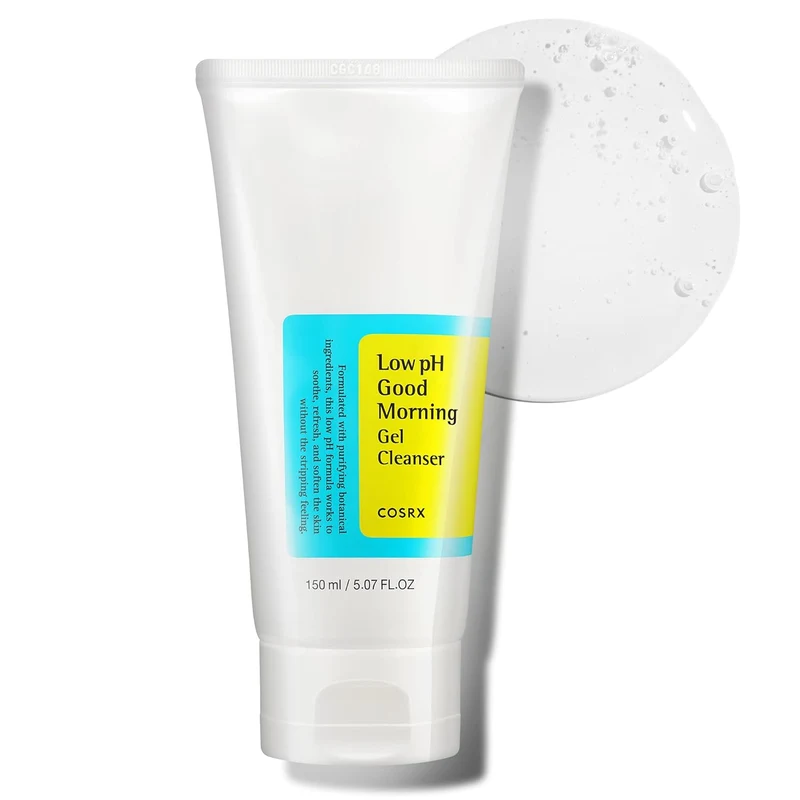
I splash my face with lukewarm water first, then use a tiny amount of the COSRX Low pH Good Morning Gel Cleanser. The key word here is tiny - like a pea-sized amount. This cleanser has a low pH (around 5.0-5.5) which means it doesn't strip your skin. A lot of cleansers leave dry skin feeling like sandpaper, but this one is gentle enough for everyday use. I did a full COSRX cleanser review if you want the deep dive. Some mornings when my skin feels extra dry, I skip cleanser entirely and just rinse with water. Listen to your skin.
Step 2: Hydrating Toner
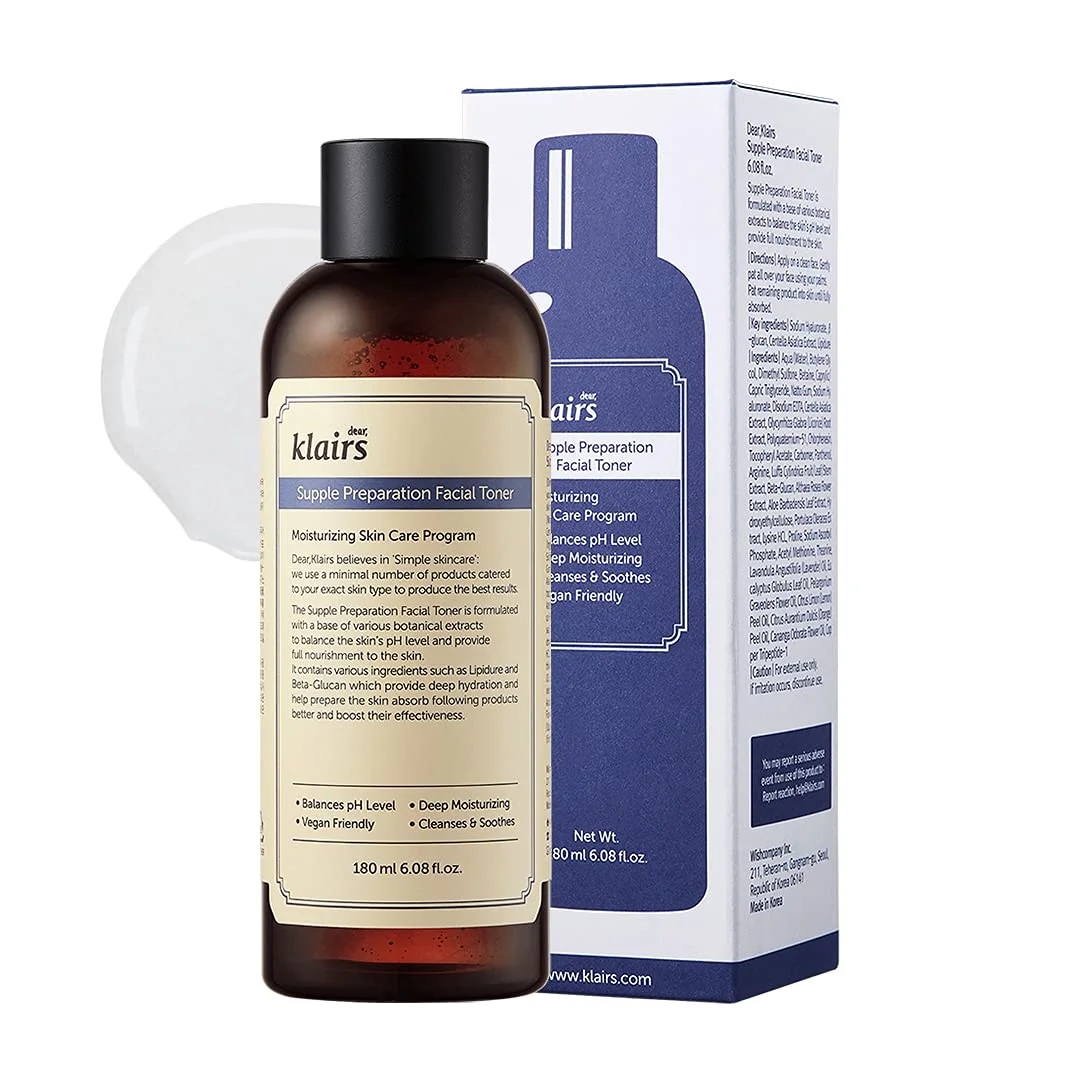
This step is non-negotiable. I pour the Klairs Supple Preparation Unscented Toner into my palms and press it into damp skin. I do 2-3 layers using the "7-skin method" - basically just patting on multiple thin layers of toner instead of one thick layer. It sounds extra, but the difference for dry skin is insane. This toner is unscented (important if your dry skin is also sensitive) and has hyaluronic acid plus beta-glucan. It makes your skin feel like it just had a tall glass of water. If you're exploring options, check out my list of best Korean toners - but honestly, this Klairs one has been my ride-or-die for two years.
Step 3: Hydrating Serum
I'm kind of obsessed with the COSRX Snail Mucin 96 Essence. Yes, it's snail mucin. Yes, it sounds weird. But this stuff is legendary in Korea for a reason - it's deeply hydrating, helps with skin repair, and gives you that dewy glow that dry skin desperately needs. I apply about two pumps and pat it in. The texture is slightly viscous but sinks in fast. I wrote a whole snail mucin review because this product genuinely changed my skin. On days when my skin feels extra thirsty, I'll layer the Torriden DIVE-IN Hyaluronic Acid Serum underneath the snail mucin. The Torriden has five types of hyaluronic acid and it's lightweight enough to layer without pilling. You can find more options in my best Korean serums guide.
Step 4: Moisturizer
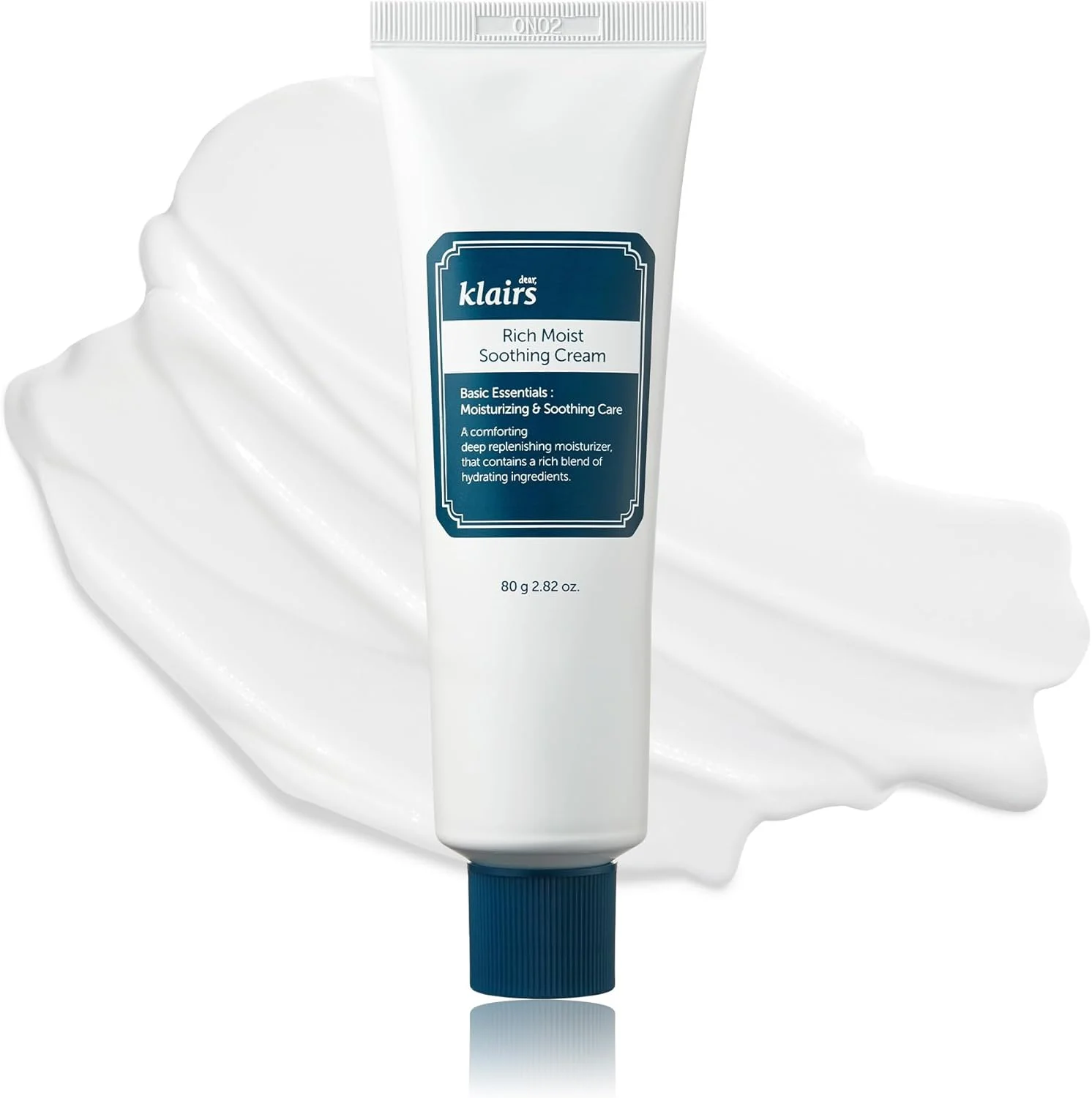
The Klairs Rich Moist Soothing Cream is the perfect AM moisturizer for dry skin because it's rich without being heavy. It has ceramides and shea butter that lock in all those hydrating layers underneath, but it doesn't leave a thick film that messes with makeup application. I warm a grape-sized amount between my palms and press it in - no rubbing, just pressing. This is the step that seals everything. Check out my best Korean moisturizer roundup for more dry skin options.
Step 5: Sunscreen
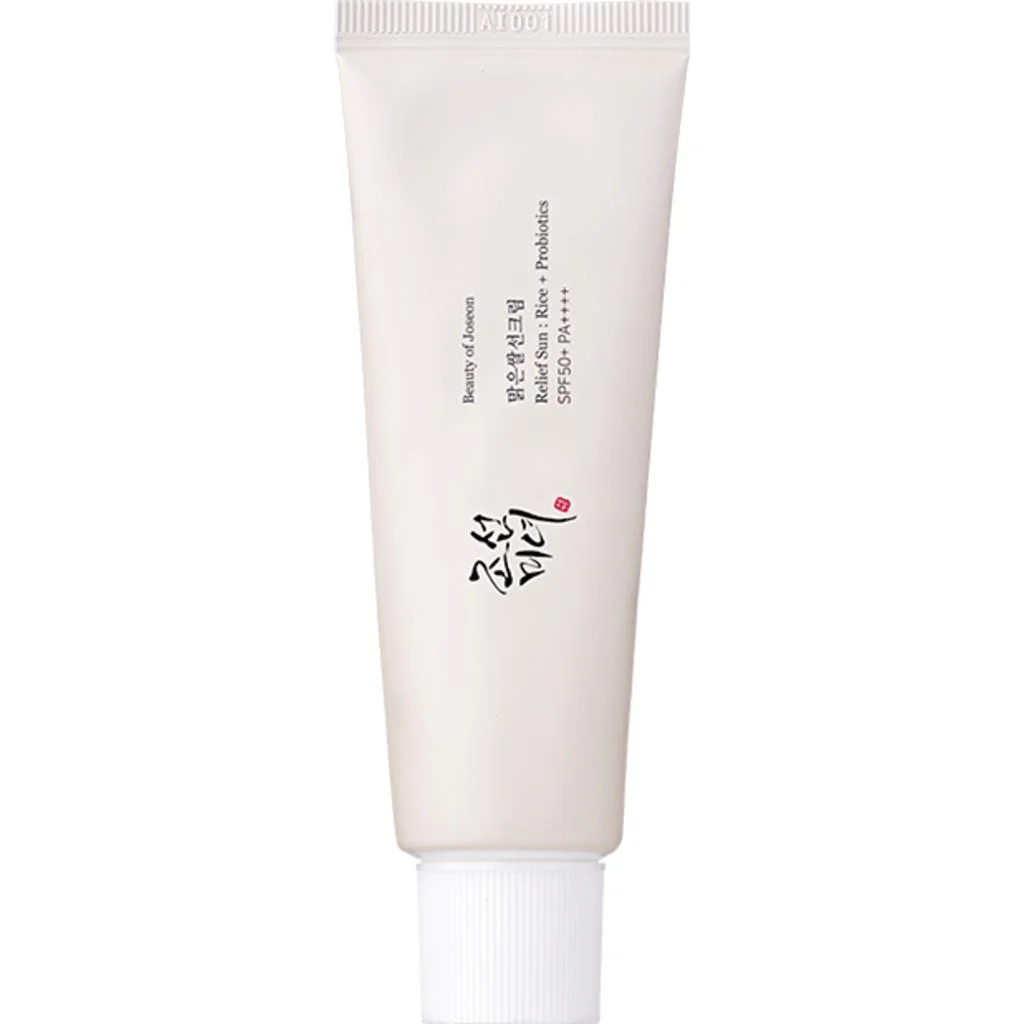
Please don't skip this even if you have dry skin. The Beauty of Joseon Relief Sun is the sunscreen that finally made me stop complaining about SPF. It's rice + probiotics based, feels moisturizing instead of drying, and leaves zero white cast. Most sunscreens make dry skin look flaky and feel tight - this one feels like skincare. I use about a two-finger length amount (generous!) and let it sit for a few minutes before makeup.
One important dry-skin note: if your sunscreen pills under foundation, the problem is often the moisturizer/SPF timing. I broke down the full no-pilling Korean sunscreen routine under makeup separately.
The Full PM Korean Skincare Routine for Dry Skin
Nighttime is where the real magic happens. This is when your skin repairs itself, so I go heavier on the hydration and skip SPF obviously.
Step 1: Oil Cleanser (Double Cleanse)
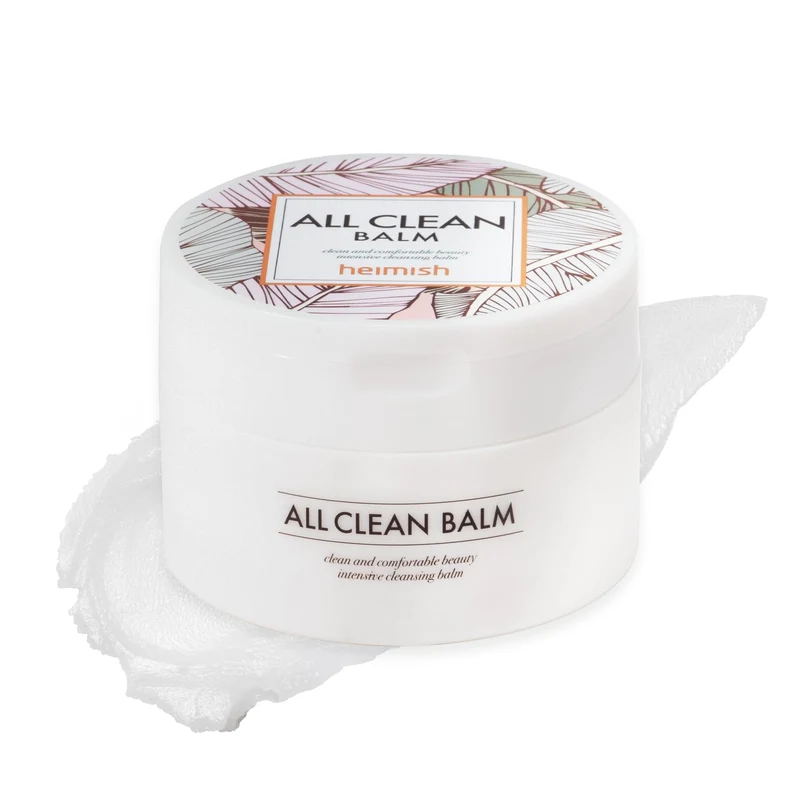
I start with the Heimish All Clean Balm on dry skin. This balm melts into an oil that dissolves sunscreen, makeup, and all the gunk from the day without stripping moisture. I massage it in for about a minute - it feels so luxurious honestly - then emulsify with a bit of water and rinse off. I did a full Heimish balm review if you want more details. Double cleansing sounds like overkill but it's the #1 Korean skincare step that changed my skin. The oil cleanser removes everything so your water-based cleanser doesn't have to work as hard.
Step 2: Water-Based Cleanser
Same COSRX Low pH Good Morning Gel Cleanser as the morning, but this time I'm using it to get any remaining residue off. Still a small amount - dry skin does NOT need aggressive cleansing. Among all the best Korean cleansers I've tried, this remains the gentlest daily option.
Step 3: Toner (Multiple Layers)
PM is when I really commit to the 7-skin method with the Klairs Supple Preparation Unscented Toner. I do 3-5 layers at night, patting each one in before adding the next. My skin drinks this up and by the last layer, it feels plump and bouncy. This is the step that took my routine from "okay" to "life-changing."
Step 4: Essence / Serum Layering
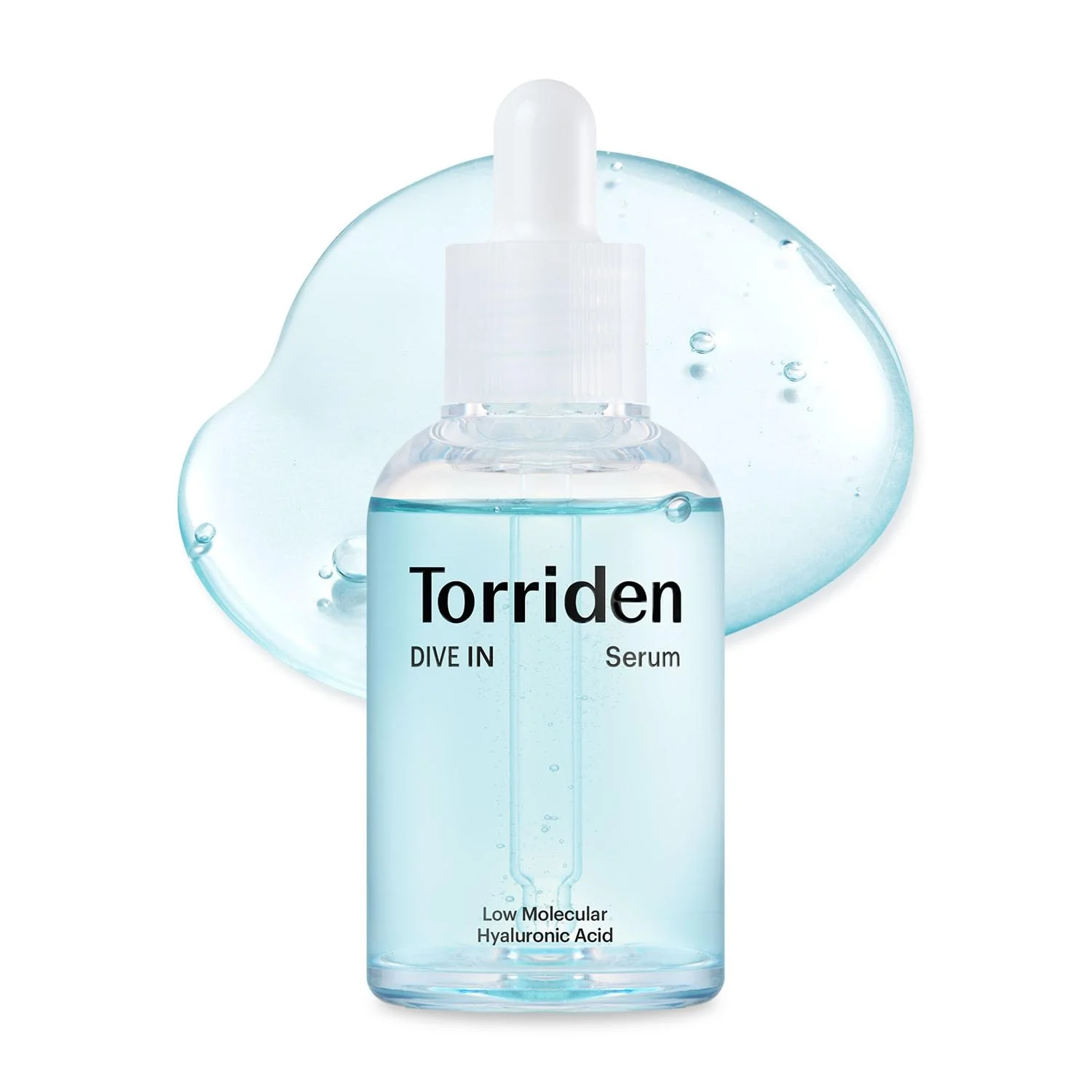
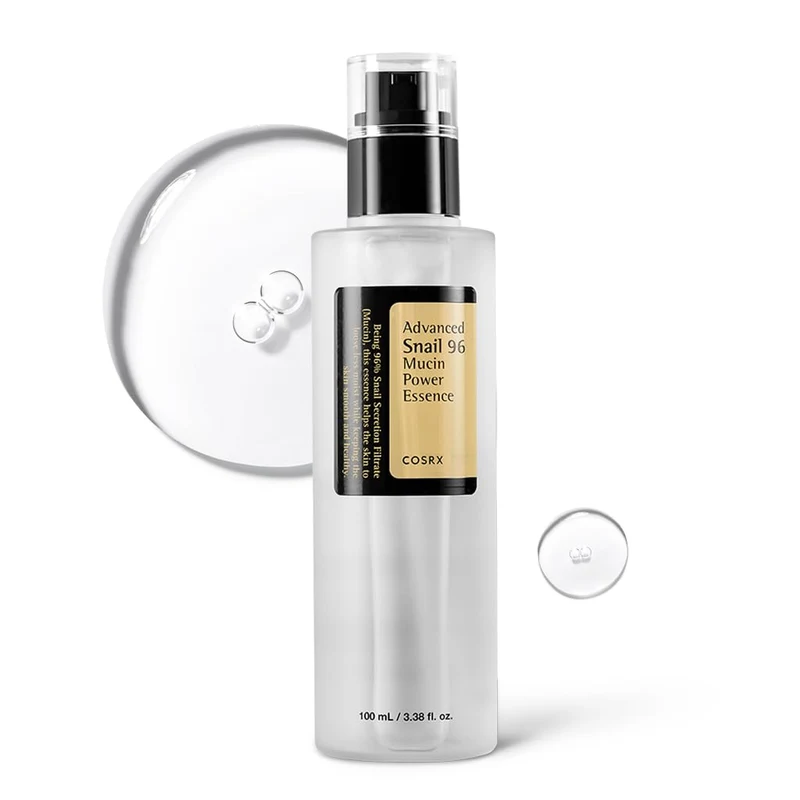
At night I use both serums. First the Torriden DIVE-IN Hyaluronic Acid Serum on slightly damp skin (this is important - hyaluronic acid needs water to work), then the COSRX Snail Mucin 96 Essence on top. Thinnest to thickest consistency, always. The combo is chef's kiss for dry skin - deep hydration from the HA serum plus skin barrier repair from the snail mucin.
If your dry-skin routine is already consistent and you want the next upgrade, I tested whether the Medicube Age-R Booster Pro helps serums feel less like they are sitting on top.
Step 5: Rich Moisturizer
I use a more generous amount of the Klairs Rich Moist Soothing Cream at night. Sometimes I'll even mix in a drop of facial oil (rosehip or squalane). The goal is to create a moisture barrier that lasts through the night. I wake up with my skin looking plump instead of that dry, tight feeling.
Step 6 (Optional): Sleeping Mask
Once or twice a week - especially in Seoul's dry winter - I'll skip the regular moisturizer and use a sleeping mask instead. It acts as an occlusive layer that prevents all that hydration from evaporating overnight. This step alone made the biggest difference during January and February when the air here is zero humidity.
Ingredients That Help Dry Skin in Korean Skincare
Not gonna lie, learning about ingredients was the turning point for me. Instead of just buying whatever looks cute (guilty), I started checking ingredient lists. Here are the four that dry skin needs:
Ceramides
Think of ceramides as the mortar between the bricks of your skin barrier. When you have dry skin, you're missing ceramides, which means moisture escapes faster. Products with ceramides (like the Klairs cream) help rebuild that barrier. My skin went from flaking to normal-looking within two weeks of using ceramide-rich products consistently.
Hyaluronic Acid
HA can hold up to 1000x its weight in water. The Torriden serum has five molecular weights of hyaluronic acid, which means it hydrates at different depths of your skin. Key tip: always apply it on damp skin. If you put it on dry skin in a dry environment, it can pull moisture OUT of your skin. I learned this the hard way.
Centella Asiatica (Cica)
Centella is everywhere in Korean skincare and for good reason - it calms irritation and helps with skin repair. When your skin is dry, it's often also irritated and red. Centella soothes that. The Beauty of Joseon sunscreen contains rice and probiotic ingredients that work similarly to calm stressed dry skin.
Panthenol (Vitamin B5)
Panthenol is underrated. It attracts moisture, strengthens the skin barrier, and has anti-inflammatory properties. A lot of Korean products include it and honestly, I look for it on every ingredient list now. If a product has both ceramides and panthenol, it's probably going to be great for dry skin.
Honest Cons: What Doesn't Work for Dry Skin Routines
I'm going to be real with you because I hate when bloggers only say nice things. Here's what I've learned NOT to do:
- Foaming cleansers with high pH - they stripped my skin so badly I thought I had eczema. Stick to low pH gel or cream cleansers.
- Over-exfoliating - I used to use AHA/BHA every day because "skincare gurus" told me to. My dry skin turned into raw, peeling, angry skin. Once a week MAX for chemical exfoliants, and physical scrubs can honestly just go in the trash.
- Skipping moisturizer because it's humid - Seoul summers are humid but your skin can still be dehydrated. Humidity ≠ hydrated skin.
- Alcohol-heavy toners - if you see denatured alcohol high on the ingredient list, run. Dry skin cannot handle it.
- Waiting too long between steps - I apply each layer while my skin is still damp from the previous one. Waiting lets moisture evaporate and you lose the whole point of layering.
- Retinol without buffer - I love retinol for anti-aging but if you have dry skin, you NEED to buffer it with moisturizer. Applying it on bare skin will wreck you.
- Assuming expensive = better - some of the most effective Korean skincare products for dry skin are super affordable. The COSRX snail mucin outperforms products three times its price range.
Reddit Insights on Korean Skincare Routines for Dry Skin
I spend way too much time on Reddit skincare subs, but honestly they've been more helpful than most beauty magazines. Here's what the community is saying:
Someone on r/AsianBeauty said: "I switched from a foaming cleanser to the COSRX Low pH and my flaking stopped within a week. I was over-cleansing my dry skin for years and didn't even realize it." - This tracks with my experience 100%. The cleanser switch alone made a huge difference.
A user on r/SkincareAddiction posted: "The 7-skin method with Klairs toner saved my skin during Accutane. I was peeling everywhere and nothing helped until I started layering toner instead of piling on thick creams." - I always recommend the 7-skin method to anyone with dry skin because it works better than just using one heavy moisturizer. If you're new to K-beauty, start with the beginner guide and build from there.
On r/AsianBeauty, someone shared: "Unpopular opinion but snail mucin is more hydrating than most hyaluronic acid serums I've tried. I use the COSRX 96 and my dry patches are completely gone." - It's funny because I had the exact same reaction. Snail mucin doesn't get enough credit for being a dry skin hero.
Another r/SkincareAddiction thread had a comment: "If you have dry skin AND acne, don't make the mistake I did of using all acne products. They destroyed my moisture barrier. Focus on hydration first, then address acne gently." - This is so important. If you're dealing with both, I wrote a separate guide for dry AND acne-prone skin that might help.
How Long Until You See Results from a Korean Skincare Routine for Dry Skin?
Real talk - this is the question I get most. Here's what happened with my skin:
- Week 1: Less tightness after cleansing. The flaking around my nose calmed down. My skin started feeling bouncy after the toner layering.
- Week 2: Foundation started sitting better. No more caking on dry patches. My skin looked less dull overall.
- Week 4: Full transformation. Dewy, even-toned, and my friends started asking what I changed. This is when most people see the biggest difference - skin cell turnover is roughly 28 days.
The key is consistency. One or two days won't cut it - you have to commit to the routine every morning and night. If you're also dealing with acne alongside dryness, check out my Korean skincare for acne guide - different protocol needed.
FAQ: Korean Skincare Routine for Dry Skin
How many steps should a Korean skincare routine for dry skin have?
For dry skin, I recommend 5-6 steps in the AM and 6-7 steps in the PM. It sounds like a lot but each step takes maybe 30 seconds. The key is layering lightweight hydration rather than using one thick product. Quality matters more than quantity though - even a simple 3-step routine (cleanser, toner, moisturizer) works if you pick the right products.
Can I use Korean skincare for dry skin in winter?
Absolutely - in fact, that's when it matters most. I live in Seoul where winters drop below freezing and the indoor heating sucks all humidity out of the air. I add extra toner layers, use sleeping masks 2-3 times a week, and sometimes add a facial oil. The layering approach of Korean skincare is built for handling extreme dryness.
Is snail mucin good for dry skin?
Yes, and ngl it's one of my top recommendations. The COSRX Snail Mucin 96 Essence provides deep hydration, helps repair your skin barrier, and gives that dewy glow. It's not heavy, it layers well under moisturizer, and my dry patches disappeared within weeks of using it consistently.
Should I double cleanse if I have dry skin?
Yes, but only at night. Use an oil-based cleanser first (like the Heimish All Clean Balm) followed by a gentle low pH gel cleanser. The oil cleanser helps preserve moisture while removing sunscreen and makeup. In the morning, you can just use water or a tiny bit of gel cleanser.
What ingredients should dry skin avoid in Korean skincare?
Avoid denatured alcohol (high on the ingredient list), harsh sulfates (SLS/SLES), high concentrations of witch hazel, and fragrance if your skin is also sensitive. Be cautious with AHA/BHA - they're great in moderation but daily use will destroy dry skin.
How long does it take to see results from a Korean skincare routine for dry skin?
I noticed a difference within the first week - my skin felt less tight and the flaking reduced. The real transformation (dewy, plump, healthy-looking skin) took about 3-4 weeks of consistent use. Skin cell turnover takes roughly 28 days, so give it at least a month before judging.
Can I follow a Korean skincare routine for dry AND acne-prone skin?
Yes! The key is focusing on hydration first and using non-comedogenic products. Many people with acne have a damaged moisture barrier from harsh treatments, which makes their skin both dry and breakout-prone. I have a dedicated guide for dry and acne-prone skin that covers this in detail.
Do I really need sunscreen if I have dry skin?
1000% yes. UV damage makes dry skin worse by breaking down your skin barrier even further. The reason most people with dry skin hate sunscreen is because they've only tried drying, alcohol-based formulas. The Beauty of Joseon Relief Sun feels like a moisturizer and hydrates while protecting. No excuses on this one.
Final Verdict: Korean Skincare Routine for Dry Skin
🏆 Final Verdict
Best for:
✔ Dry, dehydrated, or flaky skin types
✔ People who want a dewy, glass-skin finish
✔ Anyone dealing with tightness after cleansing
✔ Cold/dry climate skincare struggles
✔ Sensitive-dry skin (all products are fragrance-free or low-irritant)
✔ K-beauty beginners who want a clear step-by-step guide
Avoid if:
✘ You have very oily skin - these products may feel too heavy
✘ You want a 1-step routine - Korean skincare is about layering
✘ You're allergic to snail mucin (patch test first!)
This Korean skincare routine for dry skin is the one that finally worked for me after years of struggling. The products are gentle, effective, and made for the kind of deep hydration dry skin needs. I've been following this exact routine for over a year now and my skin has never looked better. If you're just starting out, grab the cleanser, toner, and moisturizer first - those three alone will make a noticeable difference. And if you're new to K-beauty, don't stress about doing everything at once. Build up slowly and your skin will thank you. 💧
📚 More Korean Skincare Guides
If you want newer hydrating Korean skincare picks, read Best New Viral Korean Skincare on Amazon 2026.
For a daytime glow layer in a dry skin routine, read Anua PDRN Collagen Glow Serum Spray review before adding another mist.
If your dry skin needs a softer first layer after cleansing, read Anua Rice Toner review.
If you are deciding between milky glow and light calm, read Anua Rice Toner vs Heartleaf Toner before choosing a toner.
If dry areas still show under makeup, read my full Anua PDRN Patch review.
If dry skin makes you choose between mist and patch, read Anua PDRN Mist vs Patch.
If dry skin makes you choose between base and refresh layers, read Anua Rice Toner vs PDRN Mist.