Last March, Seoul's 황사 (yellow dust) season hit early, and my skin did the thing I hate: tight cheeks by lunch, little jaw breakouts that looked dramatic under cafe lighting, and a dull gray cast that concealer only made more obvious. I had been using a basic cleanser-moisturizer-SPF routine for years, and it was fine until the air quality got bad enough that "fine" stopped working.
If you want the exact Amazon cart instead of just the routine order, I made a separate best Korean skincare products on Amazon for beginners guide with the cleanser, toner, serum, moisturizer, sunscreen, and simple extras I would put in a first routine.
Buying shortcut
Start with the routine pieces that matter first
For a first K-beauty routine, cleanser, toner, moisturizer, and sunscreen matter more than a huge shelf.
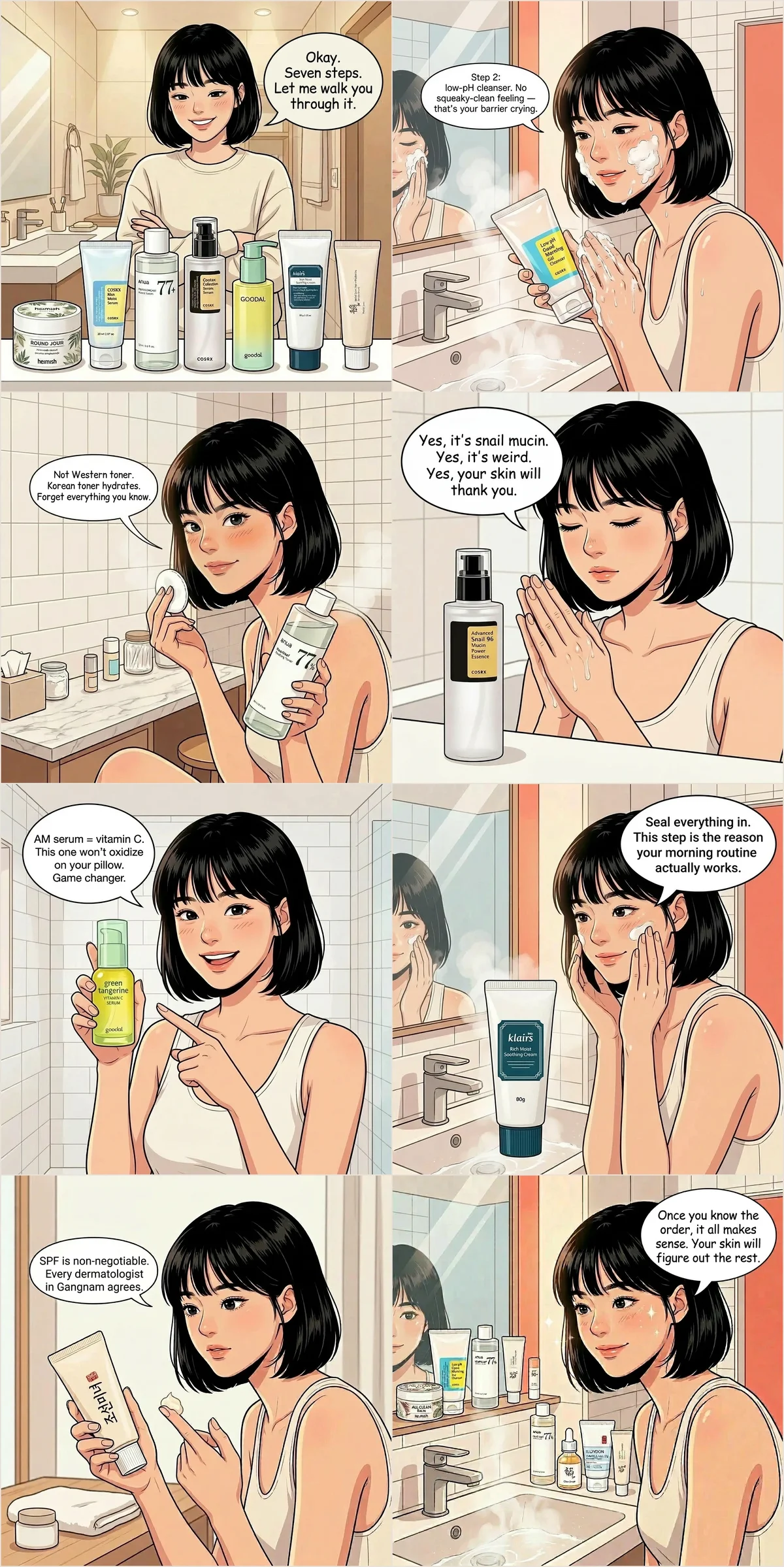
If you are trying to build a korean skincare routine for beginners, my honest answer is this: start with four non-negotiables first - cleanser, hydrating layer, moisturizer, and sunscreen - then add essence, serum, or treatment only when your skin is calm enough to tell you what it needs. The classic 7-step order is useful, but it should be a map, not a personality test.
I am going to show you the full order because order really does matter. I am also going to tell you where I would skip, where I would spend, and where beginners usually buy too much. That part matters more than memorizing ten product categories.
If I were starting today, I would not buy seven products at once
I would buy these first: a gentle cleanser, a hydrating toner, a moisturizer that matches my climate, and a sunscreen I can wear every single morning. After two weeks, I would add one treatment product if my skin was still asking for something specific.
That slower start is less exciting than an Olive Young basket, but it is also how you avoid the classic beginner spiral: new routine, random breakout, no idea which product caused it.
Quick Reference: The 7-Step Korean Skincare Routine
| Step | Category | Why It Matters | When |
|---|---|---|---|
| 1 | Oil Cleanser | Dissolves sunscreen, makeup & pollution | PM |
| 2 | Water-Based Cleanser | Removes remaining sweat & impurities | AM & PM |
| 3 | Toner | Balances pH & preps skin for absorption | AM & PM |
| 4 | Essence | Deep hydration layer that boosts everything after | AM & PM |
| 5 | Serum | Targeted treatment (brightening, anti-aging) | AM & PM |
| 6 | Moisturizer | Seals everything in & strengthens barrier | AM & PM |
| 7 | SPF | Prevents UV damage & premature aging | AM |
Let's get into each step. I am including product examples, but treat them as starting points, not orders from me. Your skin does not care how pretty the shelf looks. It cares whether you can repeat the routine without irritation.
Step 1: Oil Cleanser (PM Only)
This is the step that made Korean skincare click for me. Choosing the best Korean cleanser matters here because an oil cleanser has a specific job: it breaks down oil-based residue sitting on your face - sunscreen, makeup, sebum, and the fine dust that sticks to that layer during the day. A foaming cleanser can clean sweat and water-soluble grime, but it is not as good at dissolving sunscreen film.
In Seoul, double cleansing is less about being fancy and more about the day you just had. During 황사 season (usually March through May), fine dust can make your skin feel gritty after a short walk to the subway. Most people around me who wear sunscreen or base makeup at least remove that first layer properly at night. Nobody is doing a ceremonial 10-step routine after 야근. They are just getting the day off their face.
I remember the first time I properly oil-cleansed after a full day out during yellow dust season. I massaged the balm onto dry skin for about a minute, and when I rinsed, the water ran slightly gray. Gray. That was my wake-up call.
When to use: PM only. You don't need this in the morning - your skin hasn't been exposed to pollution or sunscreen overnight.
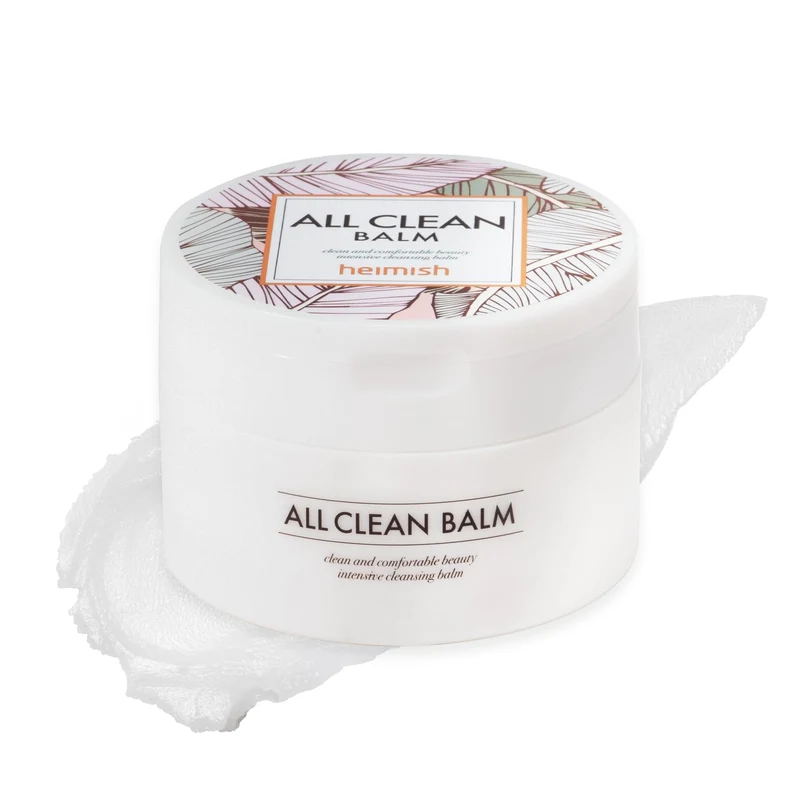
Budget Pick: Heimish All Clean Balm
This sherbet-textured balm melts into a silky oil on contact. It rinses clean without leaving a greasy film, and it's gentle enough for sensitive skin. The subtle herbal scent is barely there, so it won't compete with whatever else you've got going on. For an affordable first cleansing balm, this is the one I would start with.
For more cleanser options by skin type, start with my Korean cleanser guide before buying two balms at once.
Splurge Pick: Banila Co Clean It Zero
The OG cleansing balm that basically started the K-beauty cleansing balm craze. It's a tiny bit more luxurious in texture - almost whipped - and it emulsifies beautifully when you add water. If you've seen this pink jar all over Instagram, there's a reason.
If you already know you prefer a richer balm texture, Banila Co is the upgrade pick. If you are unsure, finish one cheaper balm first and learn what your skin likes.
Minji's Pro Tip: Massage your oil cleanser on dry skin for at least 60 seconds before adding water. This is where most beginners go wrong - they wet their face first, and the oil can't properly bind to the gunk. Dry face, dry hands, then massage. Trust the process.
Step 2: Water-Based Cleanser
Now that your oil cleanser has handled the heavy lifting, your water-based cleanser sweeps up everything that's left - sweat, remaining residue, and any last traces of the oil cleanser itself. Think of Step 1 as taking off your coat and shoes, and Step 2 as showering. You need both.
Korean water cleansers tend to run at a lower pH than Western ones (around 5.0-6.0 vs. 8.0+), which matters more than you'd think. Your skin's natural pH sits around 5.5, and every time you use a high-pH cleanser, you're temporarily disrupting your acid mantle. That tight, "squeaky clean" feeling? That's not clean - that's your barrier crying.
When to use: AM and PM. In the morning, just the water cleanser is enough - it removes the overnight sebum and any residue from your PM products.
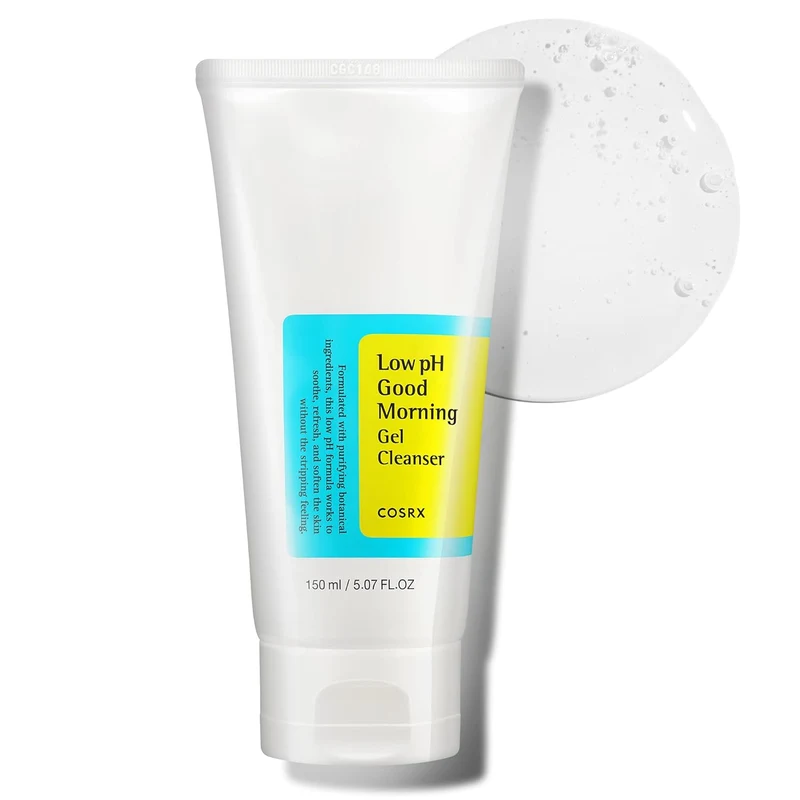
Budget Pick: COSRX Low pH Good Morning Gel Cleanser
A cult classic for a reason. The pH sits right around the skin-friendly range, it has a light tea tree scent, and it cleans without stripping. I went through probably six tubes of this before I ever tried anything else because it was boring in the exact way a beginner cleanser should be.
Splurge Pick: Klairs Rich Moist Foaming Cleanser
If your skin leans dry or sensitive, this is the one. It barely foams - more of a creamy lather - and it leaves your face feeling hydrated rather than stripped. The ingredient list is short and clean, no fragrance, no sulfates.
For dry or sensitive skin, compare this with the gentler options in my cleanser guide instead of buying a cleanser just because it has prettier packaging.
Minji's Pro Tip: In the morning, if your skin isn't oily, you can skip the water cleanser entirely and just rinse with lukewarm water. I do this during winter when Seoul's ondol (underfloor heating) has already dried my skin out overnight. Listen to your face - it'll tell you what it needs.
Looking for the best toners to pair with your cleanser?
I ranked Korean toners by skin type here: Best Korean Toners 2026
Step 3: Toner
Forget everything you know about Western toners. If you're picturing that stinging, alcohol-loaded liquid you used to swipe on with a cotton pad in high school - erase that. Korean toners are an entirely different product category. They're hydrating, pH-balancing, and designed to prep your skin to absorb everything that comes next.
Think of toner as the step that makes the next layer easier to spread. When skin is freshly cleansed and slightly damp, a light serum or essence usually applies more evenly. That does not mean toner makes every product magically absorb twice as well. It means your routine feels less patchy and your skin is less likely to feel tight five minutes later.
In Seoul, toner is non-negotiable in winter. Between the ondol heating blasting hot dry air into every apartment and the sub-zero wind outside, your skin is getting attacked from both sides. A hydrating toner is the first line of defense, and most Korean women I know apply 2-3 layers (called the "7-skin method" when taken to the extreme).
When to use: AM and PM, immediately after cleansing while skin is still slightly damp.
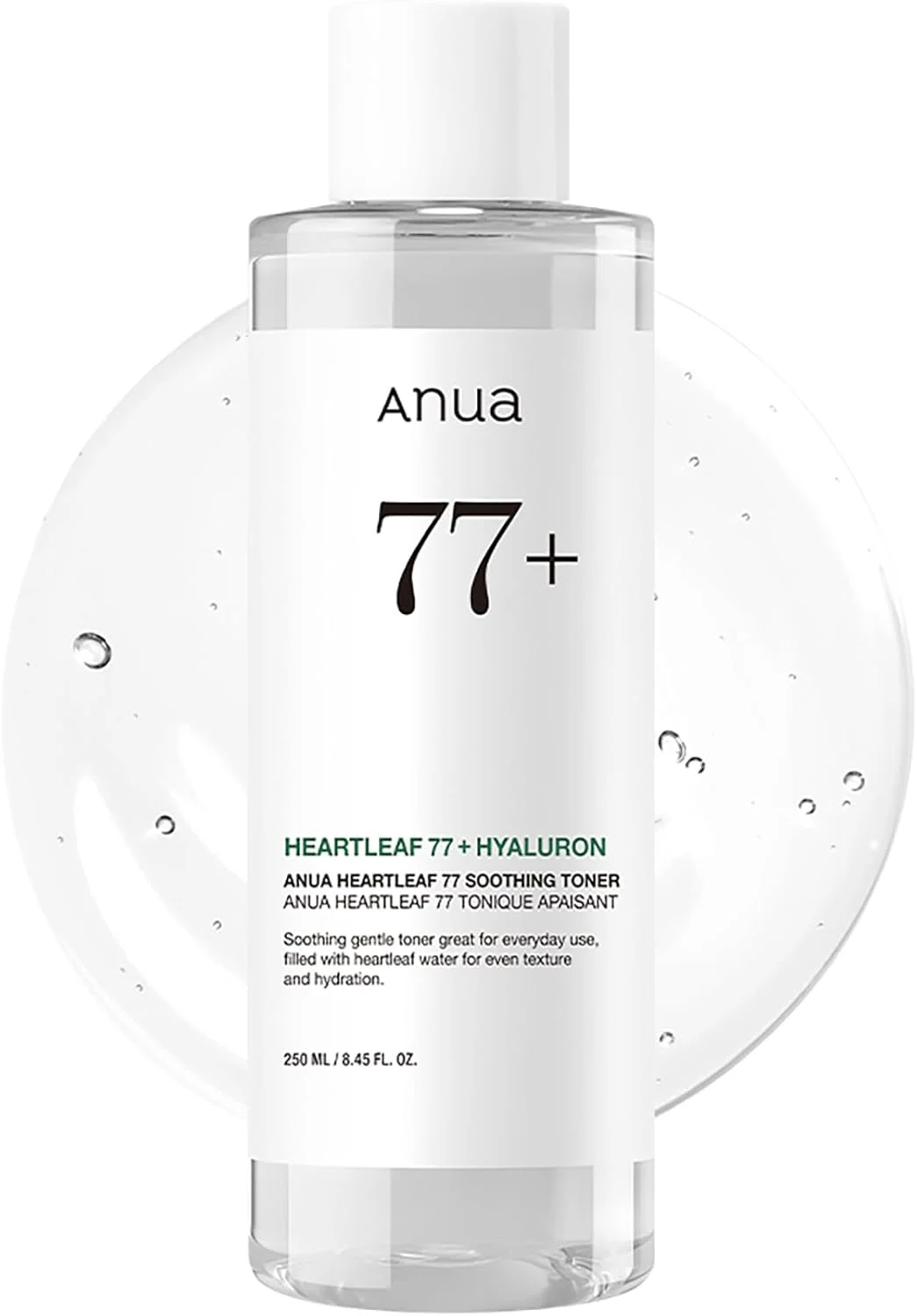
My Pick: Anua Heartleaf 77% Soothing Toner
This one went mega-viral for a reason - it's 77% heartleaf extract, which is a staple in Korean dermatology for calming redness and irritation. The texture is watery-light, absorbs in seconds, and layers beautifully. I've gone through four bottles, and I keep a backup at all times. Read my full Anua Heartleaf 77% Toner review for the deep dive.
Alternative: Round Lab Birch Juice Moisturizing Toner
If you have drier skin or want something with a bit more "weight" to it, the Round Lab Birch Juice is beautiful. It uses birch sap instead of water as its base, which gives it this naturally hydrating quality that's hard to explain until you feel it. Check out my Round Lab Birch Juice Toner review for the full breakdown.
Want to see all the options? Here's my complete guide to the best Korean toners for every skin type.
Minji's Pro Tip: Ditch the cotton pad. Pat toner directly into your skin with your palms - you waste less product, and the warmth of your hands helps absorption. Pour a coin-sized amount, press it into your face, wait 10 seconds, repeat. Two to three layers is the sweet spot for most people.
Not sure which toner is right for you?
I tested 6 Korean toners and ranked them by skin type: See Best Korean Toners 2026
Step 4: Essence
"Wait, isn't essence just fancy water?" I hear this constantly, and honestly, I thought the same thing when my mom first handed me a bottle of essence in middle school. But no. Essence is the optional hydration layer that makes the routine feel very Korean once your basics are already stable.
An essence is a concentrated hydration treatment that sits between toner and serum in both texture and function. It's lighter than a serum but more active than a toner. Where toner preps the canvas, essence starts the actual painting. It delivers deep hydration at a cellular level and boosts the efficacy of everything you layer on top.
Essence is not mandatory for everyone. It is useful when your skin feels dehydrated even after toner, or when you want one light layer that makes moisturizer sit better. If your skin is oily and already comfortable after toner, you can wait before adding this step.
When to use: AM and PM, after toner.
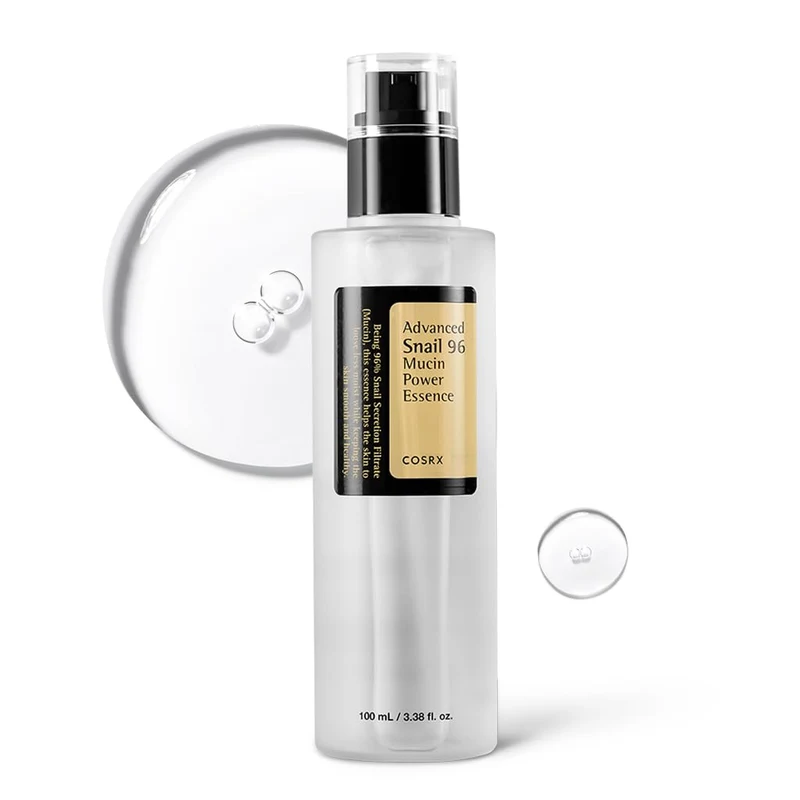
My Pick: COSRX Advanced Snail 96 Mucin Power Essence
Yes, it's snail mucin. Yes, it sounds weird. And yes, it is one of the first essences that made me understand why people keep a separate hydration step. This essence is 96% snail secretion filtrate, and the main reason to use it is cushiony hydration without heaviness. On my skin, it made tight areas look less tired and helped makeup sit more smoothly. The texture is slightly viscous, kind of like a thinner hair gel, but it sinks in if I give it a short pause.
I watched my dehydration lines around my eyes soften after two weeks of consistent use. Not gone - softened. That was enough for me. Read my full COSRX Snail Mucin 96% review for before-and-after thoughts.
Minji's Pro Tip: Apply essence to damp skin - right after toner, before it fully dries. Gently press (don't rub) it into your face using your fingertips. The slight tackiness you feel for a moment is normal; it means the product is forming a hydration layer. Give it 30 seconds to absorb before moving to serum.
Want my full toner ranking?
I tested and compared the toner options here: Best Korean Toners 2026
Step 5: Serum (AM: Vitamin C / PM: Treatment)
Serum is where you get targeted. While toner and essence are about hydration and prep, serums are concentrated treatments designed to address specific skin concerns - brightening, anti-aging, acne, hyperpigmentation, you name it.
The Korean approach to serums is different from the Western "one serum does it all" mentality. In K-beauty, you often split your serum game between AM and PM:
- AM: Vitamin C serum - antioxidant protection against UV and pollution, plus brightening
- PM: Treatment serum - niacinamide, retinol, snail mucin, or whatever your skin concern calls for
This split makes so much sense when you think about it. During the day, your skin needs defense. At night, it needs repair.
When to use: AM (Vitamin C) and PM (treatment), after essence.
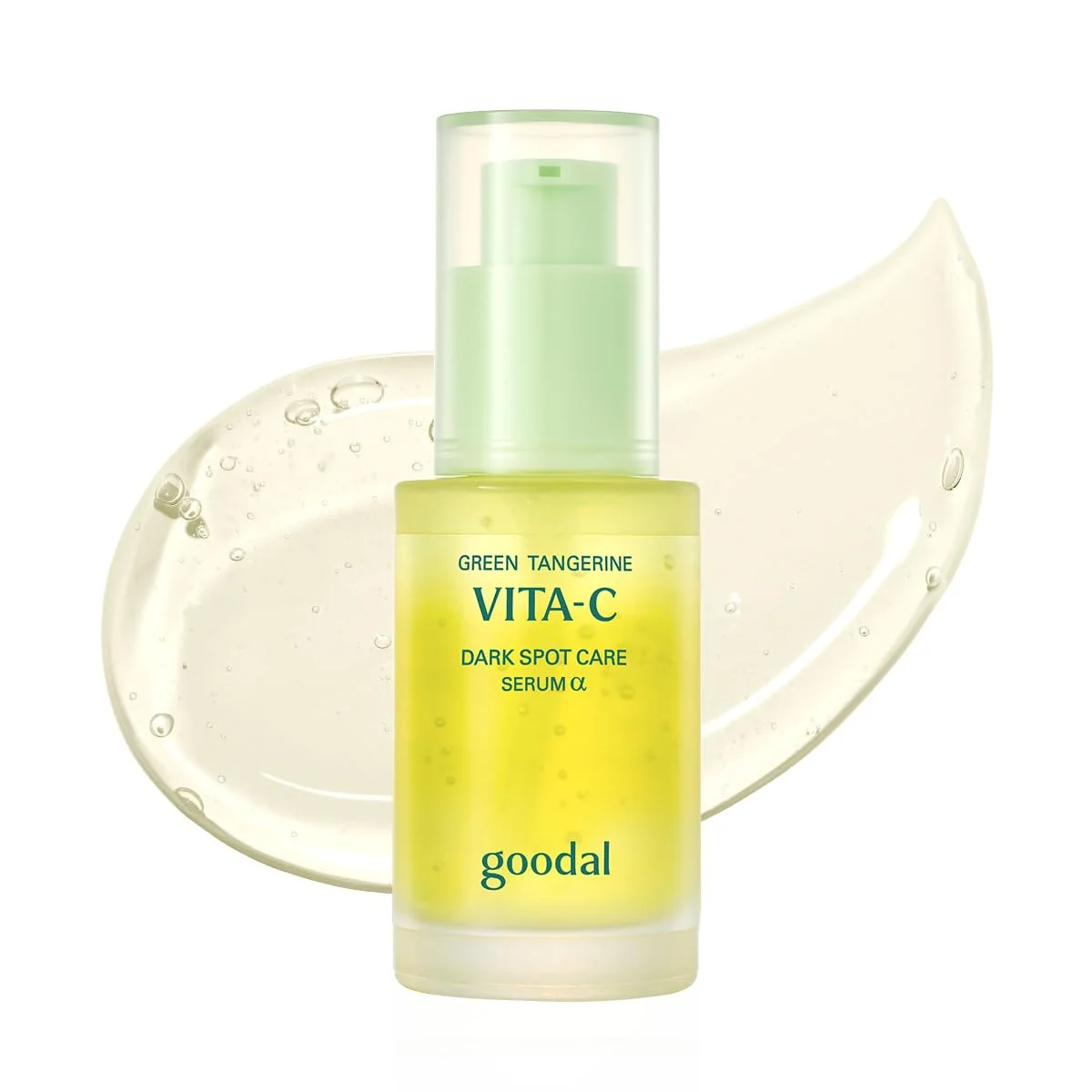
AM Pick: GOODAL Green Tangerine Vitamin C Dark Spot Serum
I've tried probably eight different Vitamin C serums, and this one hits the best balance of effectiveness and gentleness. It uses green tangerine extract (a Jeju island ingredient) as its Vitamin C source, which means it brightens without the irritation or oxidation problems that plague L-ascorbic acid formulas. No weird orange oxidation stains on your pillow, no stinging.
After about three weeks, my 황사-season dullness looked less gray in the morning. It was not an overnight dark spot fix, but my skin had this quiet glow that did not come from highlighter. Full thoughts in my GOODAL Green Tangerine Vitamin C review.
For more options, check out my guide to the best Korean vitamin C serums.
PM Pick: Torriden DIVE-IN Low-Molecular Hyaluronic Acid Serum
For nights, I rotate between a few treatments, but the Torriden DIVE-IN is my most-reached-for. It uses five different molecular weights of hyaluronic acid to hydrate at every layer of the skin. It's fragrance-free, vegan, and so lightweight it almost feels like water. Perfect for layering under a heavier night cream.
Minji's Pro Tip: Don't mix active serums. If you're using Vitamin C in the AM, don't also layer niacinamide or AHA in the same routine - at least not when you're starting out. Keep your AM simple (Vitamin C + SPF) and save treatments for PM. Your skin will thank you by not freaking out.
Want to compare all 5 vitamin C serums?
Full side-by-side tested in Seoul: See Best Korean Vitamin C Serums 2026
Step 6: Moisturizer
Moisturizer is the seal. Everything you've layered so far - toner, essence, serum - is sitting on your skin waiting to evaporate if you don't lock it in. A good moisturizer creates an occlusive barrier that holds all that hydration where it belongs: in your skin.
Korean moisturizers tend to be lighter than Western ones, and there's a practical reason for that. Seoul's summers are brutally humid (we're talking 80-90% humidity during 장마, the monsoon rainy season from late June through July), and a heavy cream in that climate is a one-way ticket to clogged pores. Even in winter, Koreans tend to prefer layering lighter products rather than slathering on one thick cream.
That said, if you live somewhere dry like Colorado or the UK in winter, you might want something richer. The principle still holds - seal it in - but adjust the weight to your environment.
When to use: AM and PM, after serum.
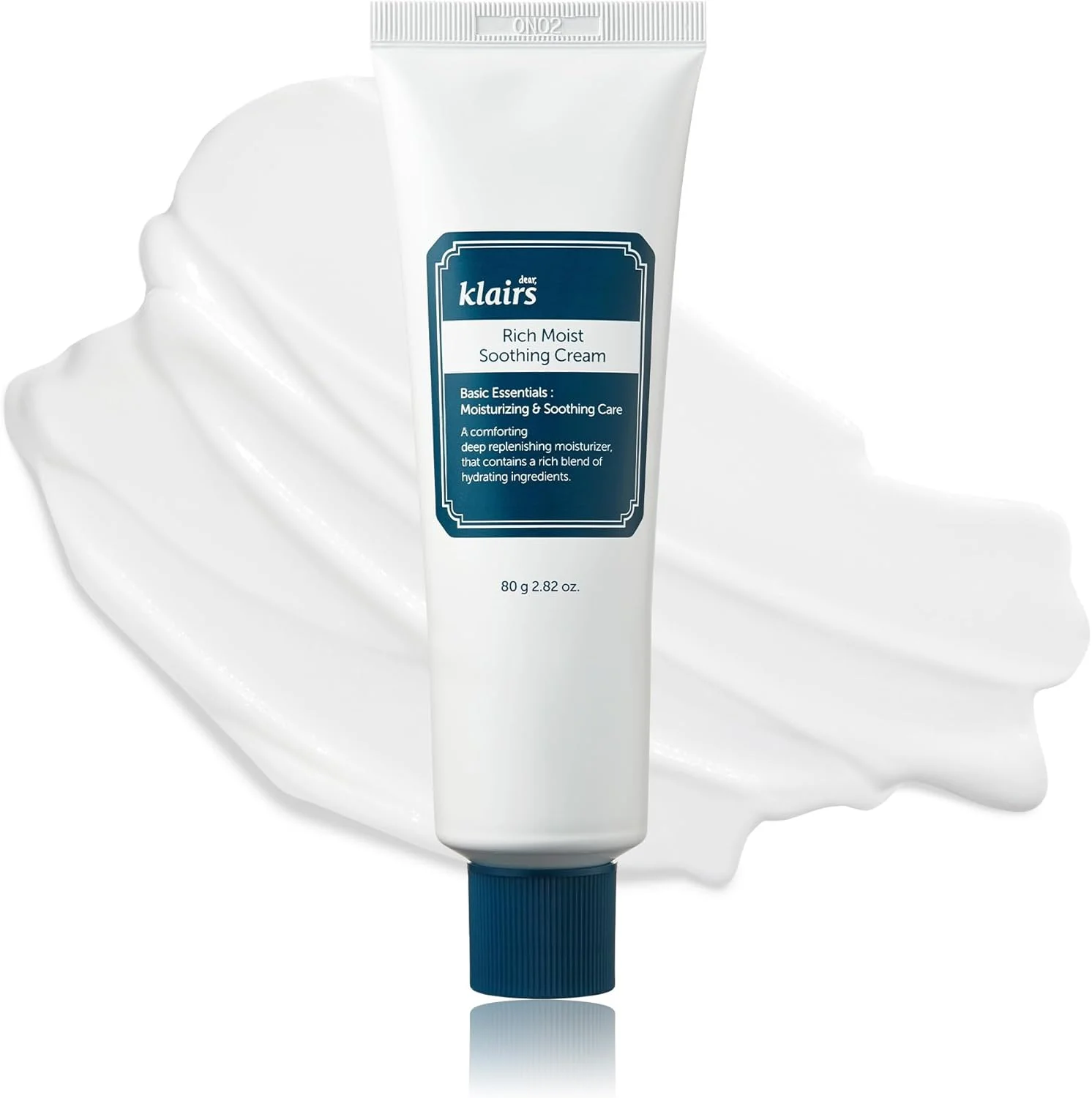
My Pick: Klairs Rich Moist Soothing Cream
This cream is beautifully mid-weight - substantial enough to feel like it's doing something, but light enough that it doesn't sit on top of your skin like a mask. It has shea butter and ceramides for barrier repair, and it plays well under sunscreen without pilling. I've used it through Seoul summers and winters, adjusting layers rather than switching products entirely.
If you want to explore more options (gel creams for oily skin, richer creams for dry types), I've got you covered in my best Korean moisturizers guide. You might also like the Dr.Althea 345 Relief Cream review - it's a great alternative if your skin runs extra sensitive.
Minji's Pro Tip: During winter, I mix 2-3 drops of a facial oil (like squalane) into my moisturizer before applying. It adds an extra occlusive layer without adding another full product step. During 장마 season, I skip this entirely and just use a thin layer of cream. Adapt to the weather, not to a rigid routine.
Gel cream vs rich cream - which texture for your skin?
I compared 6 Korean moisturizers: See Best Korean Moisturizers 2026
Step 7: SPF (AM Only - Non-Negotiable)
I need you to hear me on this: sunscreen is the step I would keep if I had to delete almost everything else. Not the fanciest serum. Not the most expensive essence. Sunscreen. If you are using brightening products, exfoliating acids, retinal, or vitamin C, daily SPF is what keeps that routine from working against itself.
UV exposure is one of the biggest drivers of dark spots, uneven tone, and premature-looking texture. You do not get a pass because the day is cloudy or because you are "mostly indoors" near windows. The boring daily sunscreen habit matters more than buying another brightening serum.
The reason Korean sunscreens keep going viral is not mystery. Many of them feel lighter and more wearable than the sticky sunscreens people remember from childhood. That matters because the best sunscreen is the one you will use enough of, every morning, without bargaining with yourself.
When to use: AM only, as the last step in your skincare routine (before makeup). Reapply every 2 hours if you're outdoors.
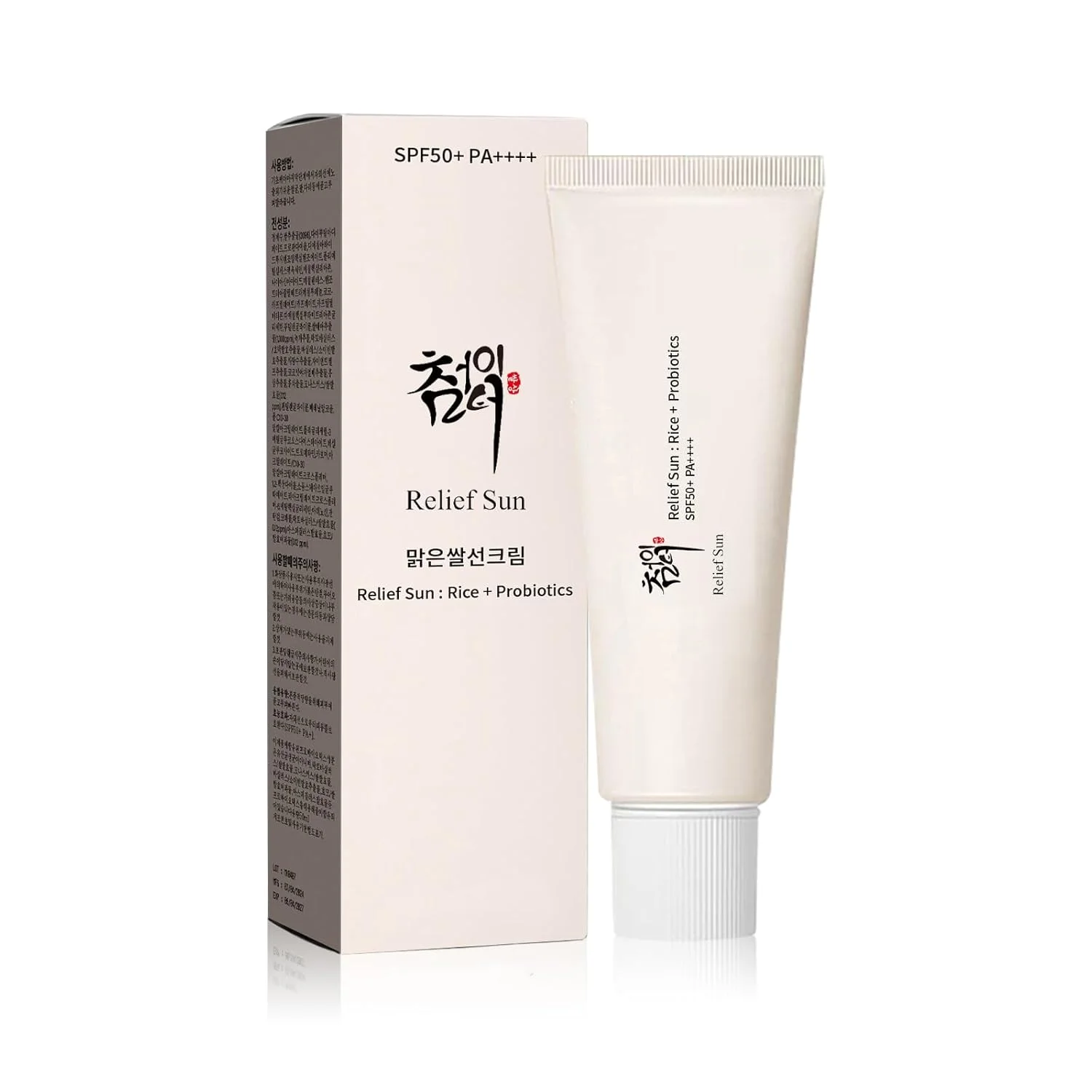
My Pick: Beauty of Joseon Relief Sun Rice + Probiotics SPF 50+ PA++++
This sunscreen changed my relationship with SPF because it feels like skincare instead of a chore. It has a light, almost serum-like texture that melts into the skin without obvious white cast, greasiness, or that old sunscreen smell. On my skin, it sits well under makeup when I give it a few minutes before cushion or BB cream.
I wrote a full Beauty of Joseon Relief Sun review with wear tests if you want the details.
For more options across different skin types and budgets, check out my best Korean sunscreens roundup.
Minji's Pro Tip: Use the two-finger rule for measuring how much sunscreen to apply. Squeeze a line of product along your index and middle fingers - that's roughly the right amount for your face. Most people under-apply by about 50%, which means you're getting maybe SPF 25 protection from an SPF 50 product. Don't skimp.
Looking for a non-white-cast SPF for your skin tone?
I ranked 7 Korean sunscreens tested in Seoul's yellow dust season: See Best Korean Sunscreens 2026
Why Korean Skin Looks Different: The Seoul Factor
People always ask me: "Is it genetics? Is it diet? Why does everyone in Seoul have such good skin?" And look, genetics play a role - I won't pretend they don't. But the bigger factor is environment-driven skincare culture. Korean women don't have great skin by accident. They have great skin because the Seoul environment demands it.
황사 (Yellow Dust) - Why Double Cleansing Is Essential
Every spring, fine particulate matter from Chinese deserts sweeps across the Korean peninsula. We're talking PM2.5 and PM10 particles small enough to penetrate pores and trigger inflammation, breakouts, and accelerated aging. On bad 황사 days, the sky turns a hazy yellow, schools close, and everyone walks around in KF94 masks. Your skin is exposed to all of it - and a simple foaming cleanser can't remove particles that have embedded themselves in your sebum. Oil cleansing first is the only way to truly get clean.
Ondol Heating - Why Toner + Essence Is Non-Negotiable in Winter
Korean apartments use ondol (온돌), a radiant underfloor heating system that's been around since the Joseon dynasty. It's incredibly cozy - but it also turns your apartment into a dry heat box. Humidity inside a Seoul apartment in January can drop to 15-20%, which is lower than the Sahara Desert. If you're not layering hydration (toner, essence, moisturizer), you'll wake up with skin so dehydrated it feels like paper. This is why the Korean approach to hydration is "layer many thin products" rather than "one thick cream."
장마 (Rainy Season) - Why Lightweight Moisturizer Matters
From late June through mid-July, Seoul gets hit with 장마 - monsoon season. Humidity shoots up to 80-90%, and heavy creams become comedogenic nightmares. This is when Korean women switch to gel-type moisturizers or water-based sleeping masks. The routine doesn't change - the textures do. This adaptability is baked into K-beauty philosophy.
UV Index - Why SPF Every Single Day
Seoul sits at roughly the same latitude as Washington D.C., but the UV culture is completely different. Korean weather apps show UV index alongside temperature, and every dermatologist in Sinsa-dong will tell you that SPF is the single best anti-aging product money can buy. Sunscreen isn't seasonal in Korea - it's year-round, rain or shine, indoors or out.
5 Beginner Mistakes That Will Sabotage Your Routine
I've watched enough friends start (and quit) Korean skincare to know exactly where people go wrong. Avoid these, and you'll save yourself weeks of frustration:
- Skipping toner entirely. Western skincare taught us that toner = astringent. Korean toner = hydrating prep step. Without it, your expensive serum is absorbing at maybe 60% capacity. You're leaving results on the table.
- Using too many actives at once. I know the excitement of a new haul - you want to try the Vitamin C AND the AHA AND the retinol all in the same night. Don't. Introduce one new active at a time, wait two weeks, and watch how your skin reacts. My friend 수진 gave herself chemical burns mixing acids on day one. Not cute.
- Getting the product order wrong. The rule is dead simple: thin to thick, water to oil. Toner before essence, essence before serum, serum before moisturizer. If you put moisturizer before serum, the serum can't penetrate the occlusive layer. Order matters.
- Treating SPF as optional. I can't stress this enough. Every single anti-aging, brightening, or dark-spot-fading product in your routine is undone by UV exposure. It's like mopping the floor with the door open during a dust storm. Put on your sunscreen.
- Over-exfoliating. AHA, BHA, PHA, scrubs - beginners love exfoliation because the results are instant. Your skin feels smoother! Brighter! And then three days later, it's red, flaky, and your moisture barrier is destroyed. Once or twice a week is plenty. Your skin is not a kitchen counter.
Which Korean Skincare Routine Is Right for You?
The 7-step framework is the same for everyone. What changes is which products you pick at each step. Here's how I'd adjust based on skin type:
| Skin Type | Cleanser | Toner | Moisturizer | Key Focus |
|---|---|---|---|---|
| Oily / Combo | Gel cleanser (low-pH) | BHA exfoliating toner | Lightweight gel cream | Pore control + oil balance |
| Dry / Dehydrated | Cream or balm cleanser | Hydrating toner (2-3 layers) | Rich cream or sleeping mask | Barrier repair + deep moisture |
| Acne-Prone | Low-pH gel cleanser | BHA or centella toner | Oil-free gel moisturizer | Soothe inflammation, prevent clogging |
| Sensitive / Redness | Fragrance-free foam | Centella or heartleaf toner | Calming cream (ceramide-based) | Minimal actives, barrier focus |
For oily skin, I'd swap the Klairs moisturizer for a lighter gel cream and add a BHA toner step - check out my full best Korean toners for acne-prone skin guide for options. If your skin is dry, the best Korean moisturizers breakdown will help you find the right cream weight. And if you're dealing with redness or sensitivity, Anua and Round Lab both have gentler picks in my toner comparison.
Frequently Asked Questions
Do I really need all 7 steps?
Honestly? No, not every single time. On lazy mornings, I sometimes do toner, moisturizer, SPF and call it a day. The 7-step framework gives you the ideal order, but the useful part is that you can scale up or down. Start with cleanser, toner, moisturizer, SPF, and add essence and serum when you're ready. Consistency with fewer steps beats a perfect 7-step routine you only do twice a week.
Can I use Korean skincare with Western products?
Yes. Your skin doesn't care about the country of origin on the label. I use a French micellar water sometimes, and my prescribed tretinoin is definitely not Korean. The key is that ingredients play well together, not that everything matches geographically. Mix freely.
How long before I see results?
Your skin's renewal cycle is about 28 days, so give any new routine at least 4-6 weeks before judging. Some things you'll notice faster - hydration from toner and essence can feel different within days. But real texture changes, fading dark spots, or improved elasticity? That's a month-plus commitment. Patience is the hardest active ingredient.
What's the difference between essence and serum?
Think of essence as a "hydration booster" and serum as a "targeted treatment." Essences are typically lighter in texture, focused on overall hydration and skin health. Serums are more concentrated, with higher percentages of active ingredients aimed at specific concerns (Vitamin C for brightening, niacinamide for pores, retinol for anti-aging). You use essence first (lighter) then serum (slightly thicker/more concentrated).
Is Korean skincare safe for sensitive skin?
Korean skincare can be a good fit for sensitive skin because many K-beauty formulas are built around light textures, barrier support, and lower-fragrance options. Brands like Klairs, Soon Jung, and Round Lab specifically formulate for reactive skin. That said, always patch test new products behind your ear for 24 hours before putting them all over your face.
How I Would Start This Routine Without Looking Like a Skincare Shelf
If you are starting from zero, do not copy my full routine on day one. Start smaller than your excitement wants you to.
- Week 1: cleanser, moisturizer, sunscreen. Make sure nothing stings, pills, or breaks you out.
- Week 2: add hydrating toner. Use it once a day first, then AM and PM if your skin likes it.
- Week 3: add essence only if your skin still feels dehydrated.
- Week 4: add one serum for one problem. Dark spots, acne, texture, redness - pick one. Not all of them.
This is the part nobody wants to hear because hauls are more fun than patience. But if your skin reacts, a slow routine lets you identify the product causing the issue. A seven-product overnight reset turns your face into a mystery case.
Signs Your Beginner Routine Is Working
You do not need a dramatic before-and-after to know the routine is helping. The first good signs are usually boring: your skin feels less tight after cleansing, moisturizer does not sting, sunscreen sits more evenly, and makeup does not catch on dry patches.
Breakouts should not suddenly explode. A little adjustment is possible when you change cleanser or sunscreen, but painful new clusters are not a "purge" unless you introduced a real active like retinoid or exfoliating acid. Most beginner routines are not supposed to purge.
After four to six weeks, you can judge texture and tone more fairly. Hydration improves faster. Dark spots and acne marks move slower. That is normal. The routine is not failing just because hyperpigmentation did not leave in two Tuesdays.
Where to go next
- Best Korean skincare products on Amazon for beginners - the actual starter cart.
- Best Korean skincare routine set on Amazon - if you want the whole routine by skin type.
- Snail mucin before or after moisturizer - if routine order is still confusing.
- Best Korean sunscreens 2026 - if SPF is the step you keep skipping.