

This post contains affiliate links. If you buy through my links, I may earn a commission at no extra cost to you.
If you are wondering whether snail mucin for oily skin makes sense, the answer is yes, but not in the same way dry skin uses it. Oily skin does not need a thick, glossy layer across the whole face. It needs placement, amount control, and fewer heavy layers on top.
My short answer: COSRX Snail Mucin 96 Essence can work for oily or combination skin if you use a very thin layer on dry cheeks or post-breakout areas. Skip the T-zone if it gets shiny fast. If your skin is oily and reactive, a thinner calming option like Skin1004 Centella Ampoule may be easier.
Actual Products Mentioned
Use these product photos to match the packaging before you click through or compare listings.
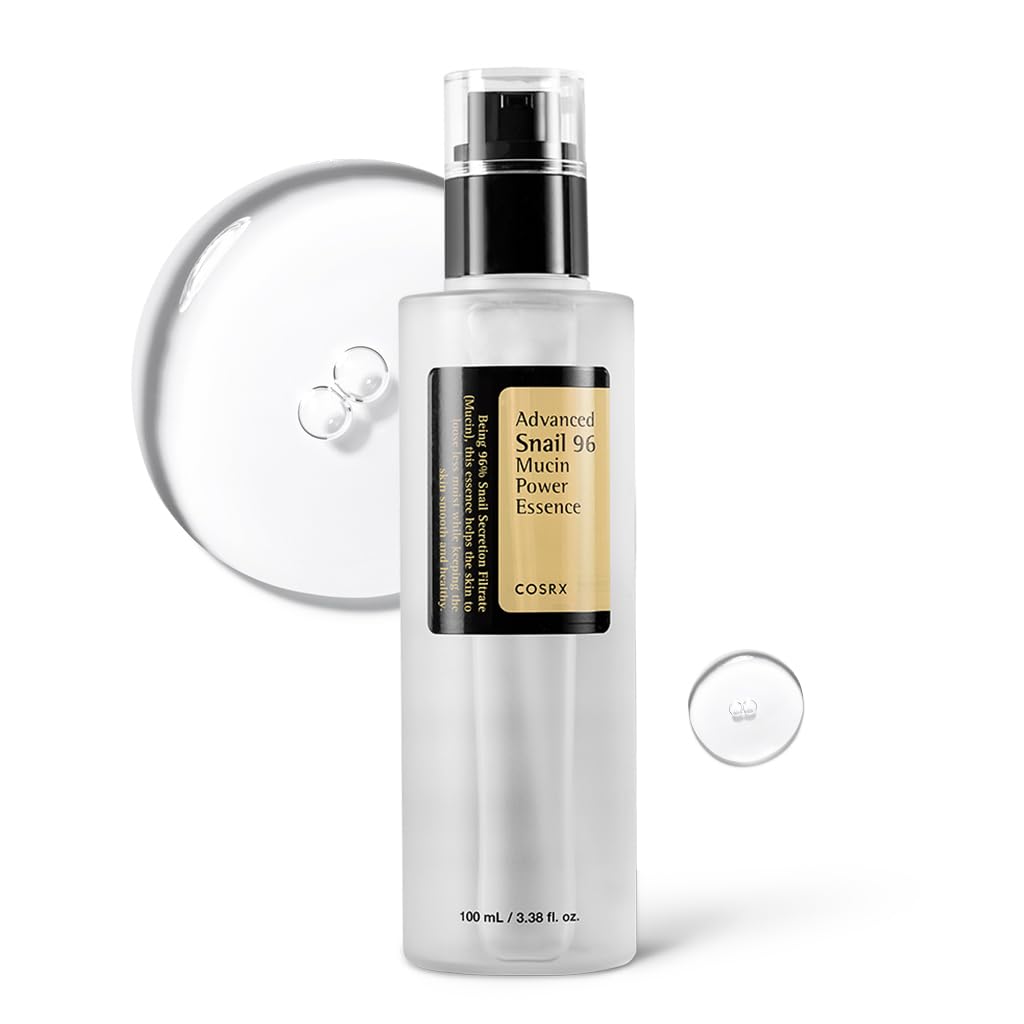
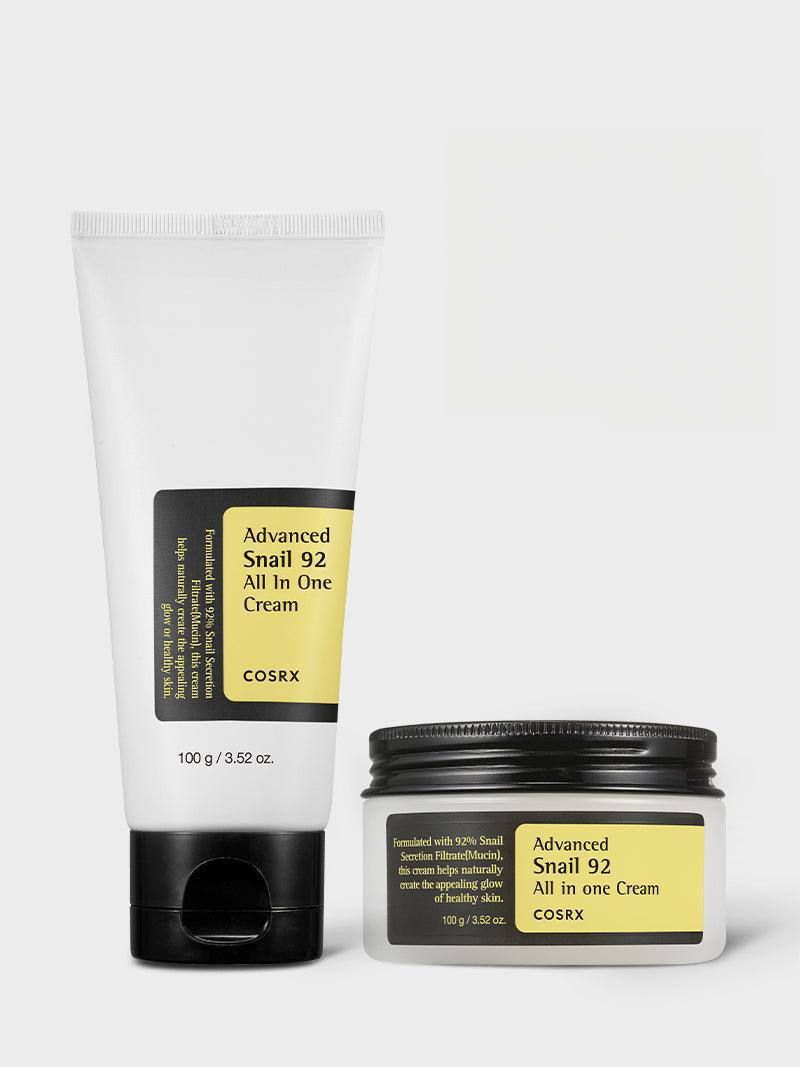
The biggest mistake is treating oily skin like it needs the same amount as dry skin. It does not. Oily skin can still be dehydrated, but that does not mean you should create a skincare slip-and-slide before sunscreen.
If your main worry is new bumps, read my does snail mucin cause breakouts guide. This article is about how oily skin should use it without getting shiny or congested.
Quick Verdict
Snail mucin can be good for oily skin if the skin feels dehydrated, tight after cleansing, or rough after breakouts.
Snail mucin may be too much for oily skin if you use a full pump everywhere, layer rich moisturizer on top, and then add dewy sunscreen.
My oily-skin rule is simple: cheeks only first, night first, thin layer only. If that works, then you can decide whether full-face use makes sense.
Is Snail Mucin Good For Oily Skin?
It can be. Oily skin still needs hydration and barrier support. Oil and water are not the same thing, which is why oily skin can still feel tight or dehydrated.
Snail mucin is useful when oily skin feels stripped from cleanser, acne treatments, or over-exfoliation. It gives a cushiony layer without being a cream.
But texture matters. If you dislike sticky or stretchy products, you may not enjoy snail mucin even if the formula is popular.
Why Oily Skin Gets Confused By Snail Mucin
Snail mucin feels lightweight in one way and sticky in another. It spreads like an essence, but it can leave a tacky finish if you use too much.
That tacky finish can feel comforting on dry cheeks. On an oily forehead, it can feel like a bad decision by lunchtime.
That is why zoning matters. You do not need to apply the same amount on every part of the face.
Dehydrated Oily Skin
Dehydrated oily skin is the best oily-skin case for snail mucin. The face can look shiny but still feel tight after cleansing or around the cheeks.
If your skin feels tight and oily at the same time, a small amount of snail mucin can make more sense than adding a heavy cream.
The key is not to chase the tight feeling with too many layers. Use a thin snail mucin layer, then a light moisturizer only where needed.
Humid Weather Routine
In humid weather, oily skin needs less product. Seoul summer humidity is not the time for a full dry-skin routine unless your barrier is really struggling.
Use snail mucin at night first. In the morning, use it only on dry areas, then sunscreen. If sunscreen already feels moisturizing, skip a separate cream.
If your face gets shiny before lunch, reduce the morning routine before blaming one product. Oily skin often needs editing more than adding.
Best Way To Use It
Start at night. Apply toner if you use one, then a tiny amount of snail mucin on the cheeks or dry areas, then moisturizer only where needed.
Do not start with full-face morning and night use. That is how oily skin ends up blaming the product when the real problem was too much layering.
If your cheeks feel smoother and your T-zone does not get congested, you can slowly expand use. If shine gets worse, keep it as a cheek-only product.
How Much To Use
Use less than dry skin users. A pea-sized amount or half pump can be enough for oily or combination skin.
If your face feels sticky ten minutes later, use less next time. If your sunscreen pills over it, use less or save it for night.
More product does not mean more hydration. Sometimes it just means more residue sitting on oily areas.
Where To Apply It
Apply snail mucin where your skin feels dry, tight, rough, or post-breakout. For many oily-skin people, that means cheeks, jaw, or around the mouth.
Skip or reduce it on the nose, forehead, and center chin if those areas get shiny or clogged quickly.
This is not cheating. This is normal skincare. Your T-zone and cheeks can have different needs.
Morning Routine For Oily Skin
Morning routine: gentle cleanse or rinse, optional toner, tiny snail mucin layer only where needed, lightweight sunscreen. Add moisturizer only on dry areas.
If your sunscreen is moisturizing, you may not need a separate moisturizer. Oily skin does not need extra layers just to make a routine look complete.
If you wear makeup, keep the snail mucin layer even thinner. Too much cushion under sunscreen and foundation can make base makeup slide.
Night Routine For Oily Skin
Night is the safer time to test snail mucin. You are not asking it to behave under sunscreen, sweat, humidity, and makeup.
Use cleanser, toner if needed, snail mucin on dry zones, then a light moisturizer. If your skin feels fine, do not add three more products.
Night first is the easiest way to see whether the product fits your skin without ruining your daytime finish.
Can It Cause Breakouts?
Snail mucin can break out some people, but it does not usually cause true purging. If your skin gets new bumps after starting it, treat that as a possible formula or texture mismatch.
Oily skin should patch test and start slowly. Do not add snail mucin on the same week you add a new cleanser, moisturizer, sunscreen, and acne serum.
If bumps repeat every time you use it, stop forcing it. A product can be famous and still wrong for your face.
Closed Comedones And Tiny Bumps
If you get tiny closed bumps after starting snail mucin, stop and simplify. Do not keep using it for six more weeks because someone online called it purging.
Snail mucin does not usually cause true purging. If closed bumps show up repeatedly, it may be texture, amount, or formula fit.
Try again only after your skin calms. Use it on one cheek, every other night, with no other new products. If the same bumps return, that is your answer.
Snail Mucin vs Centella For Oily Skin
Snail mucin is better if oily skin feels dehydrated, tight, or rough. It gives more cushion.
Centella is better if oily skin looks red, reactive, or easily annoyed. Skin1004 Centella Ampoule is thinner and can feel cleaner in humid weather.
If you are nervous about clogging, test centella first. If your issue is dehydration, test snail mucin first.
Snail Mucin vs Hyaluronic Acid For Oily Skin
Hyaluronic acid is usually lighter. Snail mucin is more cushiony. Oily skin that hates tacky products may prefer hyaluronic acid.
Oily skin that feels stripped may prefer snail mucin because it gives a softer layer after cleansing.
If you are deciding between them, read my snail mucin vs hyaluronic acid comparison.
With Moisturizer
Use snail mucin before moisturizer. For oily skin, moisturizer can be cheek-only or skipped if sunscreen gives enough comfort.
If you use moisturizer after snail mucin, choose a light gel or lotion texture. A heavy cream can turn a small amount of snail mucin into a shiny stack.
For order details, read my snail mucin before or after moisturizer guide.
With Sunscreen
In the morning, snail mucin goes before sunscreen. But oily skin should keep the layer tiny or cheek-only.
If sunscreen pills, gets shiny, or feels slippery, reduce snail mucin first. The issue may be too many wet layers.
For makeup days, I would rather use less snail mucin and keep sunscreen comfortable. SPF consistency matters more than a perfect-looking skincare stack.
With Makeup
Oily skin should be careful with snail mucin before makeup. It can help dry patches, but too much can make foundation move.
Use it only where foundation clings. Skip oily areas where foundation already breaks down.
For more detail, read my snail mucin before makeup guide.
With Acne Treatments
If you use benzoyl peroxide, salicylic acid, adapalene, or another acne treatment, keep snail mucin as a support layer, not the main acne step.
Use a small amount where the treatment leaves skin dry or tight. Do not cover everything with a thick layer if the T-zone is already oily.
If your acne treatment routine was given by a dermatologist, follow that first.
Best Cases For Oily Skin
Snail mucin makes the most sense for oily skin that is dehydrated from over-cleansing or acne treatments.
It also makes sense for combination skin with oily T-zone and dry cheeks. That is where cheek-only use works well.
It makes less sense if your entire face gets oily quickly and you already dislike tacky textures.
One-Week Test Plan
Night one: apply a thin layer to one cheek only. Use your usual moisturizer if needed. Do not add any other new product.
Nights two and three: skip snail mucin and watch the area. Look for itching, new bumps, or a heavier feeling.
Night four: apply it again to the same cheek. If everything still looks calm by the end of the week, expand to both cheeks.
This slow test is not exciting, but it saves money and stress. Oily skin does better when you can identify the exact product causing a change.
Who Should Skip It
Skip snail mucin if your skin gets clogged from tacky essences, if you hate any sticky finish, or if your routine already feels heavy.
Skip it in the morning if sunscreen starts pilling or sliding. You can still use it at night only.
Skip it completely if patch testing brings back the same tiny bump pattern. There are other hydrating layers.
Common Mistakes
The first mistake is using a dry-skin amount on oily skin. Start smaller.
The second mistake is applying it everywhere. Use it where you need comfort, not where your skin already feels slick.
The third mistake is adding heavy moisturizer on top and then blaming snail mucin for the whole stack feeling greasy.
Amazon Buying Notes
Check COSRX Snail Mucin 96 on Amazon if your oily skin still feels dehydrated, rough, or tight after cleansing.
Check Skin1004 Centella Ampoule on Amazon if your oily skin is reactive and you want a thinner calm layer.
If you are worried about clogged pores, read my does snail mucin cause breakouts guide before buying.
Final Verdict
Snail mucin can work for oily skin, but only if you use less product and place it carefully.
My rule is cheek-only first, night first, thin layer only. Skip the T-zone if it gets shiny fast.
Choose COSRX Snail Mucin for cushion and dehydrated oily skin. Choose Skin1004 Centella for a thinner calming layer.
FAQ
Is snail mucin good for oily skin?
Yes, snail mucin can be good for oily skin if you use a thin layer and avoid applying too much on the T-zone.
Can oily skin use COSRX Snail Mucin?
Yes. Oily skin can use COSRX Snail Mucin, but it should start with a small amount on dry cheeks or post-breakout areas.
Will snail mucin make oily skin more greasy?
It can feel greasy or sticky if you use too much or layer heavy moisturizer on top. Use less product and test at night first.
Should oily skin use snail mucin before moisturizer?
Yes. Use snail mucin before moisturizer. Oily skin may only need moisturizer on dry areas afterward.
Is snail mucin or centella better for oily skin?
Snail mucin is better for dehydrated oily skin that wants cushion. Centella is better for reactive oily skin that wants a thinner calming layer.