Every spring, Seoul's 황사 (yellow dust) season shows up, and a lot of people notice the same pattern: tight cheeks by lunch, little jaw breakouts, and a dull gray cast that concealer only makes more obvious. A basic cleanser-moisturizer-SPF routine can feel fine for years, right up until the air quality gets bad enough that "fine" stops working. That's usually when people start looking at the Korean routine order properly.
This guide covers the routine order. If you want product picks by category, the linked category guides further down go deeper on each step.
Buying shortcut
Start with the routine pieces that matter first
For a first K-beauty routine, cleanser, toner, moisturizer, and sunscreen matter more than a huge shelf.
If you are trying to build a korean skincare routine for beginners, here's the real-talk answer: start with four non-negotiables first - cleanser, hydrating layer, moisturizer, and sunscreen - then add essence, serum, or treatment only when your skin is calm enough to tell you what it needs. The classic 7-step order is useful, but it should be a map, not a personality test.
Below is the full order, because order really does matter. You'll also see where to skip, where it's worth spending, and where beginners usually buy too much. That part matters more than memorizing ten product categories.
🔎 How This Guide Was Put Together
- Sources: official brand product pages and ingredient lists for the example products, plus widely accepted routine-order basics (thin to thick, SPF last in the morning).
- Compared: what each step is for, which steps are optional for beginners, and how product choice shifts by skin type and Seoul's seasons (yellow dust, ondol-heated winters, 장마 humidity).
- Not included: personal before-and-after claims. Minji is our fictional guide, so this is a research-based buying guide, not a wear test.
Starting today? Don't buy seven products at once
Minji's starter list: a gentle cleanser, a hydrating toner, a moisturizer that matches your climate, and a sunscreen you can wear every single morning. After two weeks, add one treatment product if your skin is still asking for something specific.
That slower start is less exciting than an Olive Young basket, but it is also how you avoid the classic beginner spiral: new routine, random breakout, no idea which product caused it.
Quick Reference: The 7-Step Korean Skincare Routine
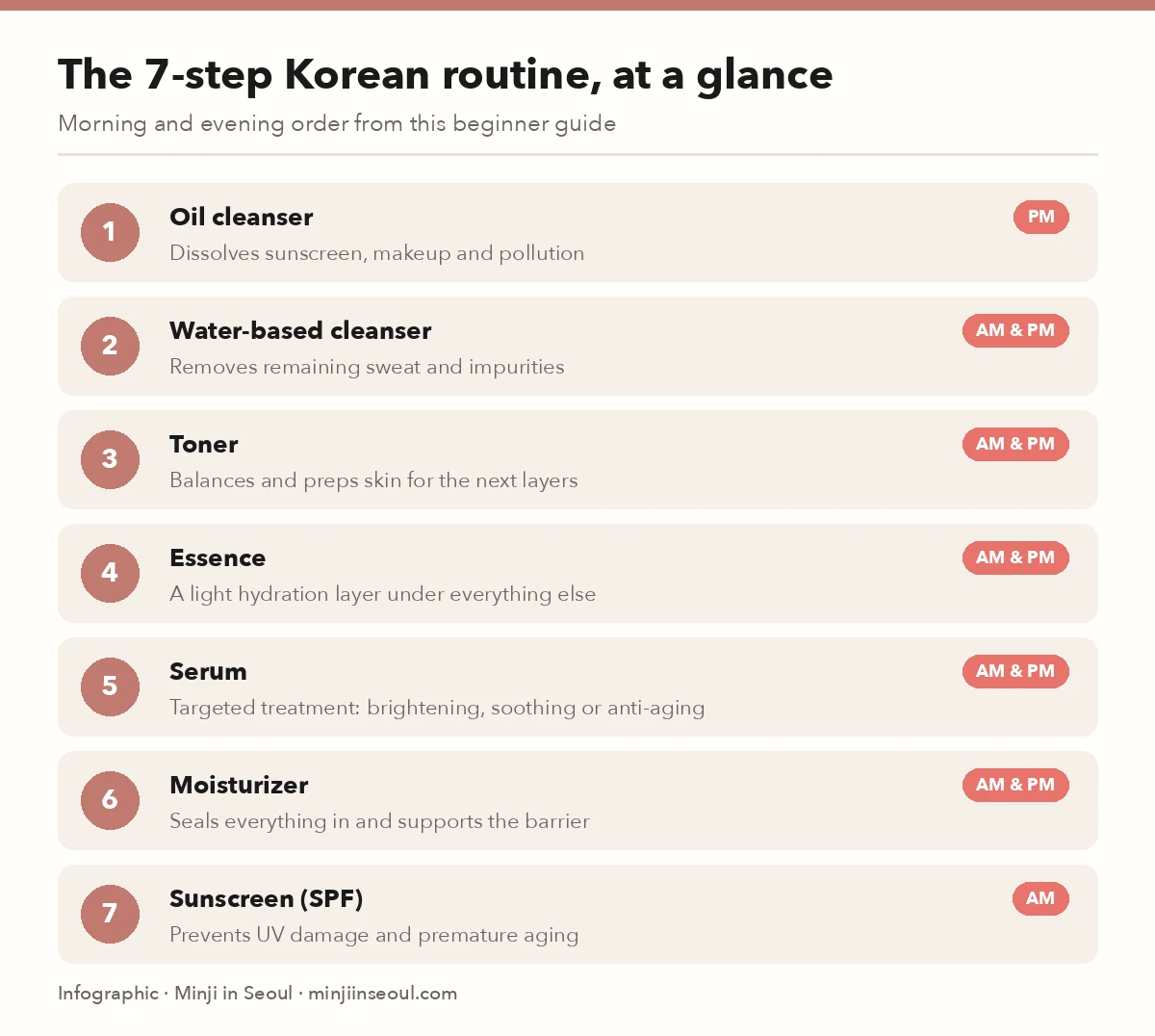
Infographic: the 7-step order from this guide, with which steps are morning, evening or both.
| Step | Category | Why It Matters | When |
|---|---|---|---|
| 1 | Oil Cleanser | Dissolves sunscreen, makeup & pollution | PM |
| 2 | Water-Based Cleanser | Removes remaining sweat & impurities | AM & PM |
| 3 | Toner | Rehydrates & preps skin for the next layers | AM & PM |
| 4 | Essence | Optional extra hydration layer | AM & PM |
| 5 | Serum | Targeted treatment (brightening, anti-aging) | AM & PM |
| 6 | Moisturizer | Seals everything in & supports the barrier | AM & PM |
| 7 | SPF | Protects against UV damage & premature aging | AM |
Let's get into each step. The product examples are starting points, not orders. Your skin does not care how pretty the shelf looks. It cares whether you can repeat the routine without irritation.
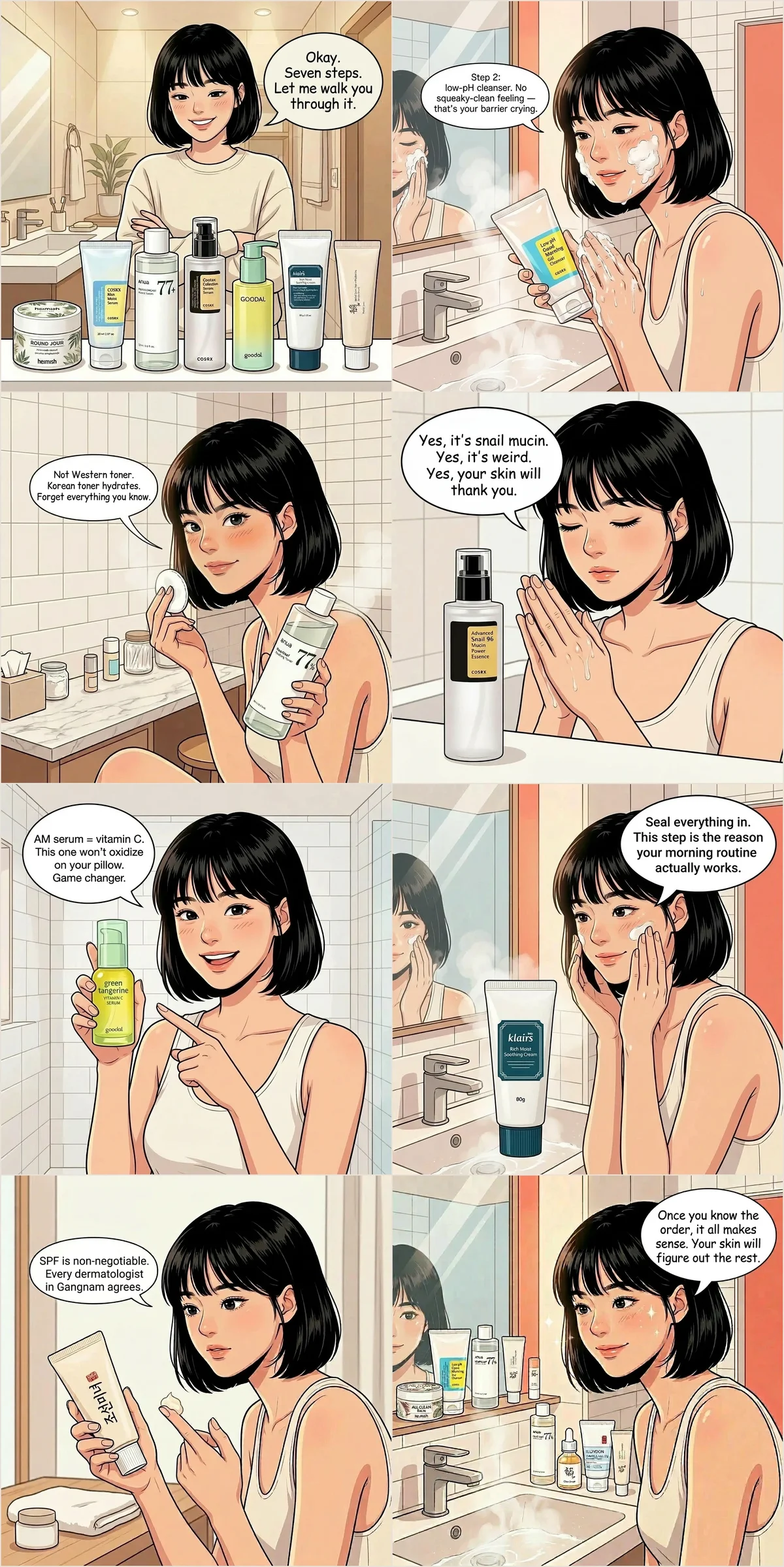
Step 1: Oil Cleanser (PM Only)
This is the step that makes Korean skincare click for a lot of beginners. Choosing the best Korean cleanser matters here because an oil cleanser has a specific job: it breaks down oil-based residue sitting on your face - sunscreen, makeup, sebum, and the fine dust that sticks to that layer during the day. A foaming cleanser can clean sweat and water-soluble grime, but it is not as good at dissolving sunscreen film.
In Seoul, double cleansing is less about being fancy and more about the day you just had. During 황사 season (usually March through May), fine dust can make skin feel gritty after a short walk to the subway. People who wear sunscreen or base makeup generally remove that first layer properly at night. Nobody is doing a ceremonial 10-step routine after 야근. They are just getting the day off their face.
When to use: PM only. You don't need this in the morning - you haven't been wearing sunscreen or sitting in pollution overnight.
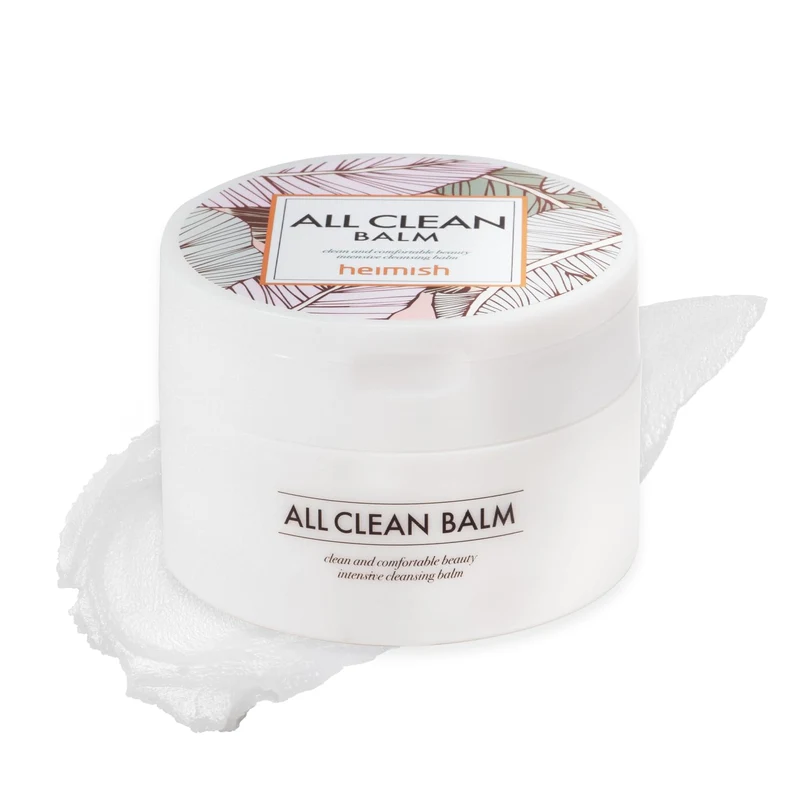
Budget Pick: Heimish All Clean Balm
This sherbet-textured balm melts into an oil on contact and is designed to rinse clean without a greasy film. It's one of the most-recommended affordable cleansing balms, which makes it the natural first balm for a beginner.
For more cleanser options by skin type, start with the Korean cleanser guide before buying two balms at once.
Splurge Pick: Banila Co Clean It Zero
The OG cleansing balm that basically started the K-beauty cleansing balm craze. Its texture is often described as a little more whipped and luxurious, and it's designed to emulsify into a milk when you add water. If you've seen this pink jar all over Instagram, there's a reason.
If you already know you prefer a richer balm texture, Banila Co is the upgrade pick. If you are unsure, finish one cheaper balm first and learn what your skin likes.
Minji's Pro Tip: Massage your oil cleanser on dry skin for at least 60 seconds before adding water. This is where most beginners go wrong - they wet their face first, and the oil can't properly bind to the gunk. Dry face, dry hands, then massage. Trust the process.
Step 2: Water-Based Cleanser
Now that your oil cleanser has handled the heavy lifting, your water-based cleanser sweeps up everything that's left - sweat, remaining residue, and any last traces of the oil cleanser itself. Think of Step 1 as taking off your coat and shoes, and Step 2 as showering. You need both.
Many Korean water cleansers are formulated to be low pH or mildly acidic, while traditional soaps and many old-school foams are alkaline. Your skin's surface is slightly acidic (usually cited around 5.5), and harsh, high-pH washing can disrupt the acid mantle. That tight, "squeaky clean" feeling? That's not clean - that's your barrier complaining.
When to use: AM and PM. In the morning, just the water cleanser is enough - it removes the overnight sebum and any residue from your PM products.
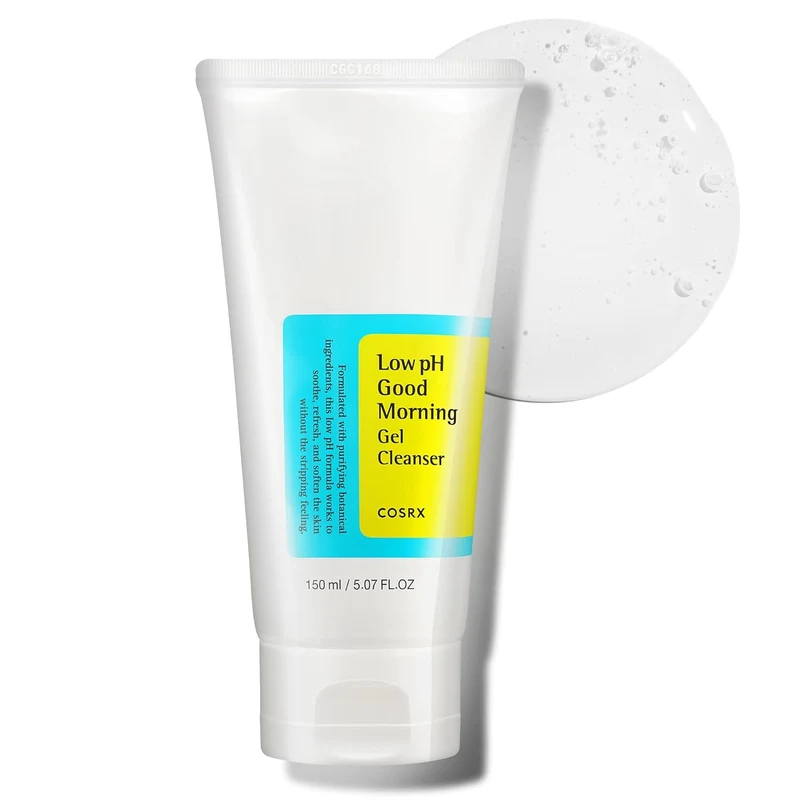
Budget Pick: COSRX Low pH Good Morning Gel Cleanser
A cult classic for a reason. It's positioned as a low-pH gel wash, has a light tea tree scent, and is designed to clean without stripping. It's boring in the exact way a beginner cleanser should be, which is why it's usually the first tube people buy.
Splurge Pick: Klairs Rich Moist Foaming Cleanser
If your skin leans dry or sensitive, this is the one to look at. It's a low-lather, creamy foam that Klairs positions for sensitive skin, with a focus on cleansing gently rather than stripping.
For dry or sensitive skin, compare this with the gentler options in the cleanser guide instead of buying a cleanser just because it has prettier packaging.
Minji's Pro Tip: In the morning, if your skin isn't oily, you can skip the water cleanser entirely and just rinse with lukewarm water. This is especially common in winter, when Seoul's ondol (underfloor heating) dries skin out overnight. Listen to your face - it'll tell you what it needs.
Looking for the best toners to pair with your cleanser?
Korean toners ranked by skin type: Best Korean Toners 2026
Step 3: Toner
Forget everything you know about Western toners. If you're picturing that stinging, alcohol-loaded liquid you used to swipe on with a cotton pad in high school - erase that. Most Korean toners are an entirely different product category. They're hydrating and designed to prep your skin for everything that comes next.
Think of toner as the step that makes the next layer easier to spread. When skin is freshly cleansed and slightly damp, a light serum or essence usually applies more evenly. That does not mean toner makes every product magically absorb twice as well. It means your routine feels less patchy and your skin is less likely to feel tight five minutes later.
In Seoul, toner is basically non-negotiable in winter. Between ondol heating drying out the air in every apartment and the sub-zero wind outside, skin gets it from both sides. A hydrating toner is the first line of defense, and layering 2-3 thin coats is common (called the "7-skin method" when taken to the extreme).
When to use: AM and PM, immediately after cleansing while skin is still slightly damp.
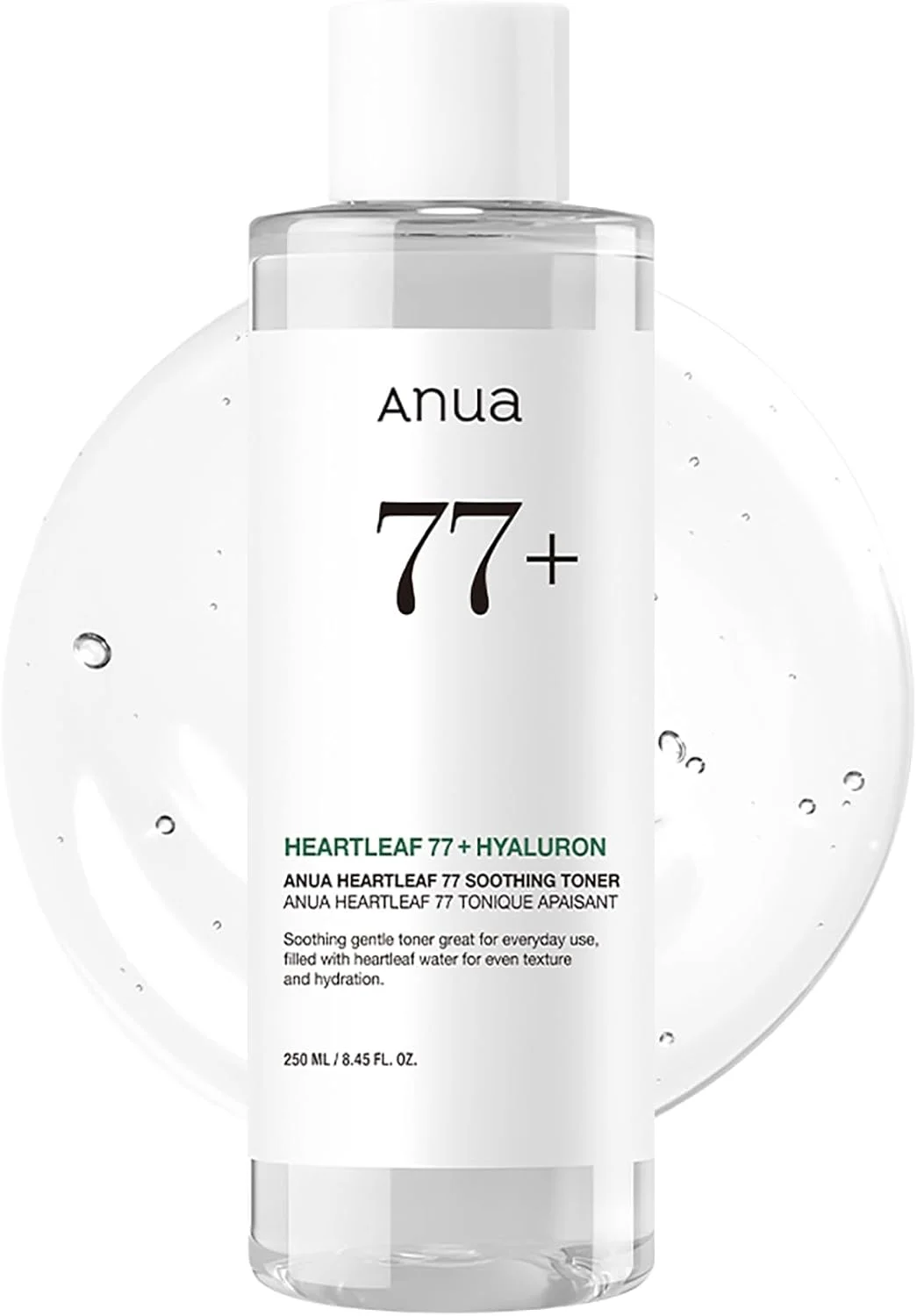
Minji's Pick: Anua Heartleaf 77% Soothing Toner
This one went mega-viral for a reason - it's built around 77% heartleaf (houttuynia cordata) extract, an ingredient widely used in Korean skincare for soothing the look of redness. The texture is watery-light, which makes it easy to layer. Read the full Anua Heartleaf 77% Toner review for the deep dive.
Alternative: Round Lab Birch Juice Moisturizing Toner
If you have drier skin or want something with a bit more "weight" to it, the Round Lab Birch Juice is a lovely option. Round Lab builds it around birch sap, positioned as a hydrating base. Check out the Round Lab Birch Juice Toner review for the full breakdown.
Want to see all the options? Here's the complete guide to the best Korean toners for every skin type.
Minji's Pro Tip: Ditch the cotton pad. Pat toner directly into your skin with your palms - you waste less product. Pour a coin-sized amount, press it into your face, wait 10 seconds, repeat. Two to three layers is the sweet spot for most people.
Not sure which toner is right for you?
Six Korean toners compared and ranked by skin type: See Best Korean Toners 2026
Step 4: Essence
"Wait, isn't essence just fancy water?" It's one of the most common beginner questions. But no. Essence is the optional hydration layer that makes the routine feel very Korean once your basics are already stable - and in a lot of Korean households, it's the product moms hand down first.
An essence is a hydration layer that sits between toner and serum in both texture and function. It's usually a little more concentrated than a toner and lighter than a serum. Where toner preps the canvas, essence adds the first real layer of hydration before your treatment step.
Essence is not mandatory for everyone. It is useful when your skin feels dehydrated even after toner, or when you want one light layer that makes moisturizer sit better. If your skin is oily and already comfortable after toner, you can wait before adding this step.
When to use: AM and PM, after toner.
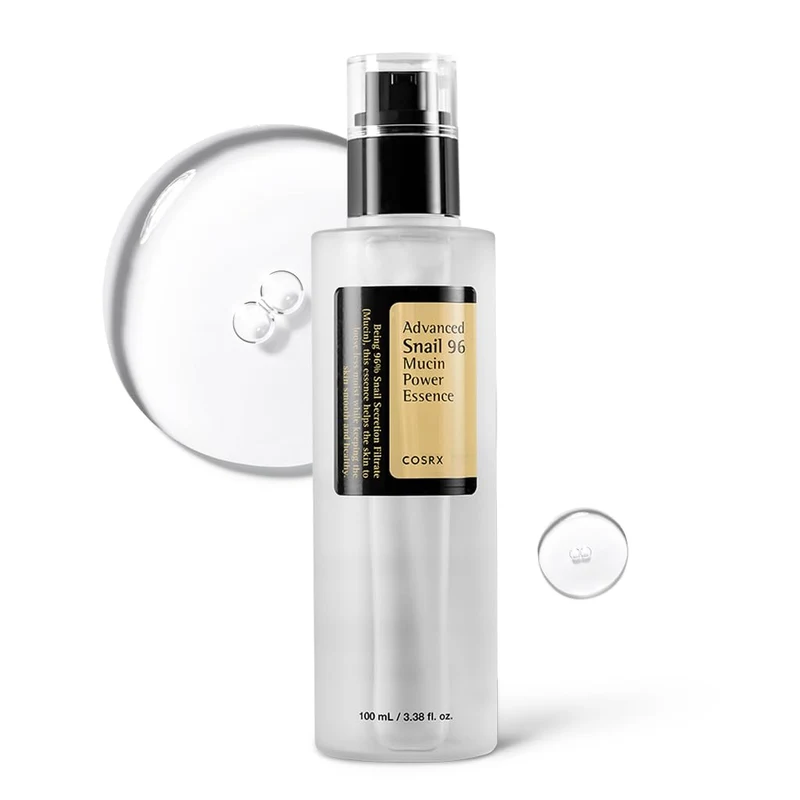
Minji's Pick: COSRX Advanced Snail 96 Mucin Power Essence
Yes, it's snail mucin. Yes, it sounds weird. And yes, it's one of the essences that explains why people keep a separate hydration step. It's 96% snail secretion filtrate, and the main reason to use it is cushiony hydration without heaviness. The texture is slightly viscous, kind of like a thinner hair gel, so give it a short pause to settle before the next layer.
Set expectations realistically: snail mucin is a hydration product. Well-hydrated skin can make fine dehydration lines look softer, but it isn't a wrinkle treatment. Read the full COSRX Snail Mucin 96% review for who it suits and how to layer it.
Minji's Pro Tip: Apply essence to damp skin - right after toner, before it fully dries. Gently press (don't rub) it into your face using your fingertips. A slight tackiness for a moment is normal. Give it 30 seconds before moving to serum.
Want the full toner ranking?
The toner options compared side by side: Best Korean Toners 2026
Step 5: Serum (AM: Vitamin C / PM: Treatment)
Serum is where you get targeted. While toner and essence are about hydration and prep, serums are concentrated treatments designed to address specific skin concerns - brightening, anti-aging, acne, hyperpigmentation, you name it.
The Korean approach to serums is different from the Western "one serum does it all" mentality. In K-beauty, you often split your serum game between AM and PM:
- AM: Vitamin C serum - antioxidant support alongside your sunscreen, plus brightening
- PM: Treatment serum - niacinamide, retinol, snail mucin, or whatever your skin concern calls for
This split makes so much sense when you think about it. During the day, your skin needs defense. At night, it needs repair.
When to use: AM (Vitamin C) and PM (treatment), after essence.
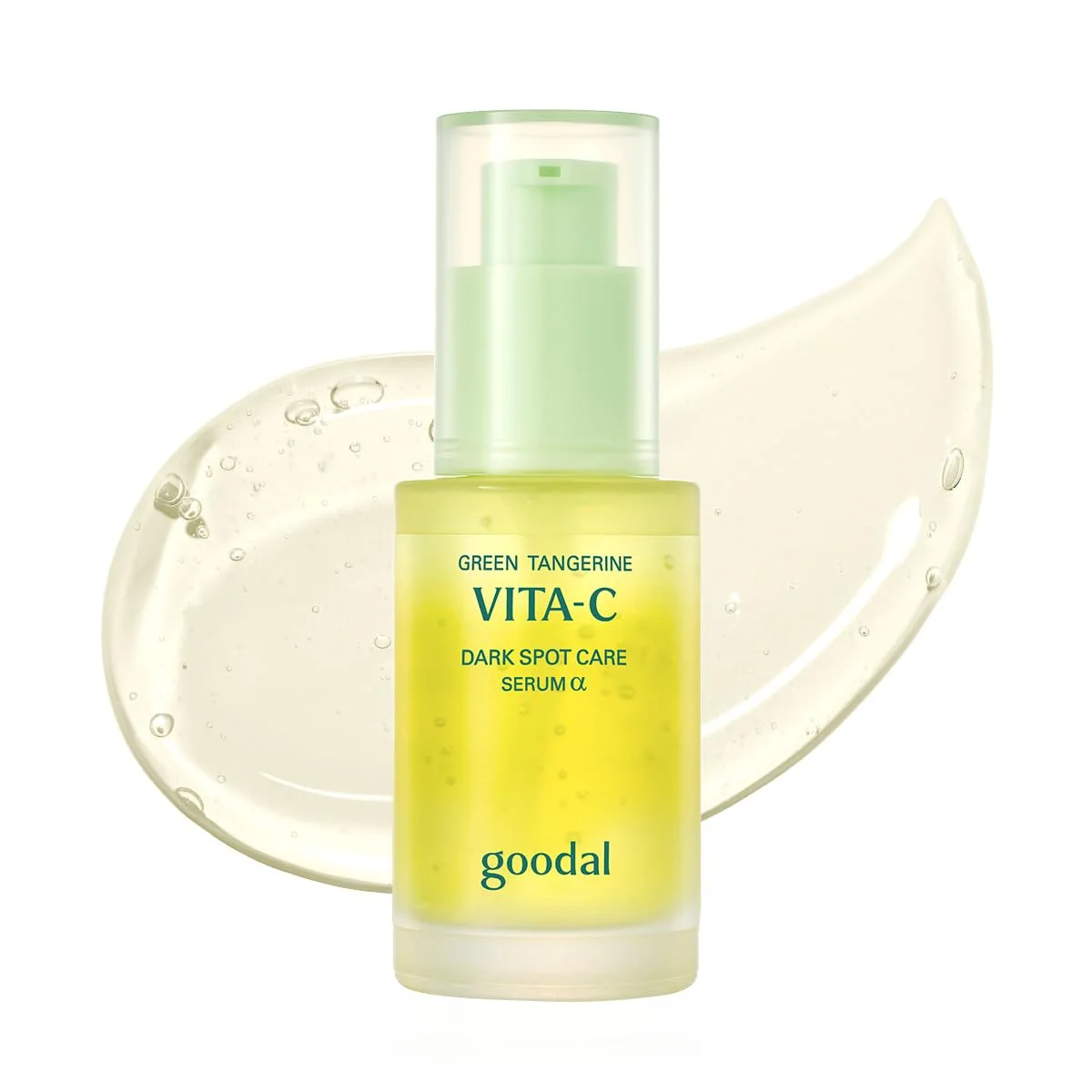
AM Pick: GOODAL Green Tangerine Vitamin C Dark Spot Serum
Among Korean vitamin C serums, this is the one Minji points beginners to first, because it's positioned as a gentler, everyday brightening serum rather than a high-strength L-ascorbic acid formula. It's built around green tangerine extract from Jeju. Gentler formulas like this tend to be easier to start with than strong L-AA serums, which can sting and oxidize.
Expectations: vitamin C serums work gradually on dullness and the look of dark spots, and only alongside daily sunscreen. It's not an overnight fix. Full breakdown in the GOODAL Green Tangerine Vitamin C review.
For more options, check out the guide to the best Korean vitamin C serums.
PM Pick: Torriden DIVE-IN Low-Molecular Hyaluronic Acid Serum
For a simple night serum, the Torriden DIVE-IN is an easy pick. Torriden says it uses multiple types of hyaluronic acid in different molecular sizes, and it's a very lightweight, watery serum that layers easily under a heavier night cream.
Minji's Pro Tip: Don't stack active serums. If you're using Vitamin C in the AM, don't also layer AHA in the same routine - at least not when you're starting out. Keep your AM simple (Vitamin C + SPF) and save treatments for PM. Your skin will thank you by not freaking out.
Want to compare all 5 vitamin C serums?
Full side-by-side comparison: See Best Korean Vitamin C Serums 2026
Step 6: Moisturizer
Moisturizer is the seal. Everything you've layered so far - toner, essence, serum - needs something on top to help hold that hydration in. A good moisturizer does exactly that.
Korean moisturizers tend to be lighter than many Western ones, and there's a practical reason for that. Seoul's summers are very humid, especially during 장마, the monsoon rainy season from late June through July, and a heavy cream in that climate can feel suffocating. Even in winter, many people prefer layering lighter products rather than slathering on one thick cream.
That said, if you live somewhere dry like Colorado or the UK in winter, you might want something richer. The principle still holds - seal it in - but adjust the weight to your environment.
When to use: AM and PM, after serum.
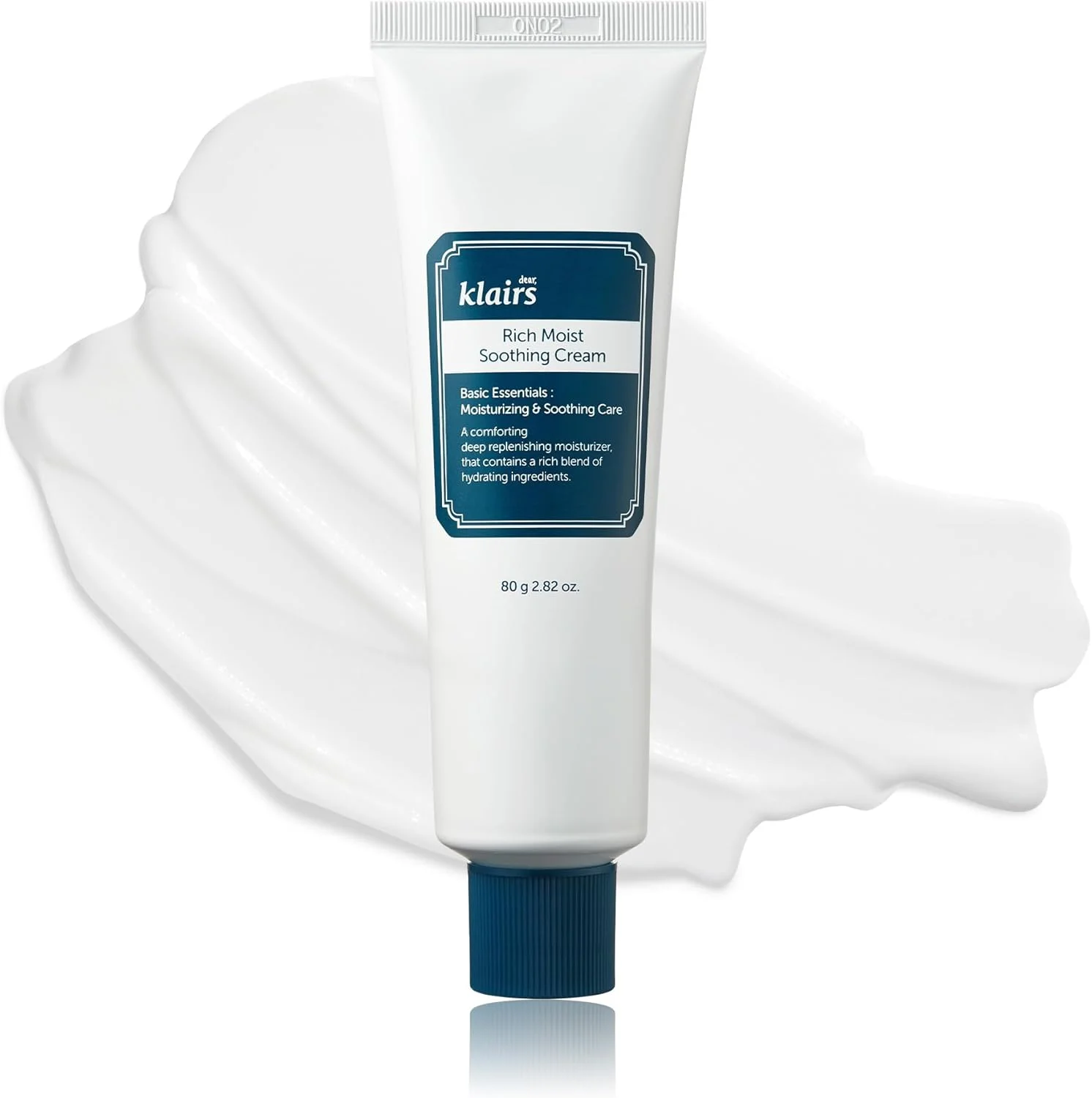
Minji's Pick: Klairs Rich Moist Soothing Cream
This is a mid-weight cream - substantial enough to feel comforting, without the heavy, mask-like feel of a thick balm. Klairs positions it as a barrier-supporting cream for dry and sensitive skin, and its middle-of-the-road weight is what makes it a good year-round starting point: add a layer in winter, use less in summer.
If you want to explore more options (gel creams for oily skin, richer creams for dry types), the best Korean moisturizers guide covers them. You might also like the Dr.Althea 345 Relief Cream review - it's a popular alternative for extra-sensitive skin.
Minji's Pro Tip: In winter, mixing 2-3 drops of a facial oil (like squalane) into your moisturizer adds an extra occlusive layer without adding another full product step. During 장마 season, skip it and use a thin layer of cream. Adapt to the weather, not to a rigid routine.
Gel cream vs rich cream - which texture for your skin?
Six Korean moisturizers compared: See Best Korean Moisturizers 2026
Step 7: SPF (AM Only - Non-Negotiable)
Hear Minji on this: sunscreen is the step to keep if you had to delete almost everything else. Not the fanciest serum. Not the most expensive essence. Sunscreen. If you are using brightening products, exfoliating acids, retinal, or vitamin C, daily SPF is what keeps that routine from working against itself.
UV exposure is one of the biggest drivers of dark spots, uneven tone, and premature-looking texture. You do not get a pass because the day is cloudy or because you are "mostly indoors" near windows. The boring daily sunscreen habit matters more than buying another brightening serum.
The reason Korean sunscreens keep going viral is no mystery. Many of them feel lighter and more wearable than the sticky sunscreens people remember from childhood. That matters because the best sunscreen is the one you will use enough of, every morning, without bargaining with yourself.
When to use: AM only, as the last step in your skincare routine (before makeup). Reapply every 2 hours if you're outdoors.
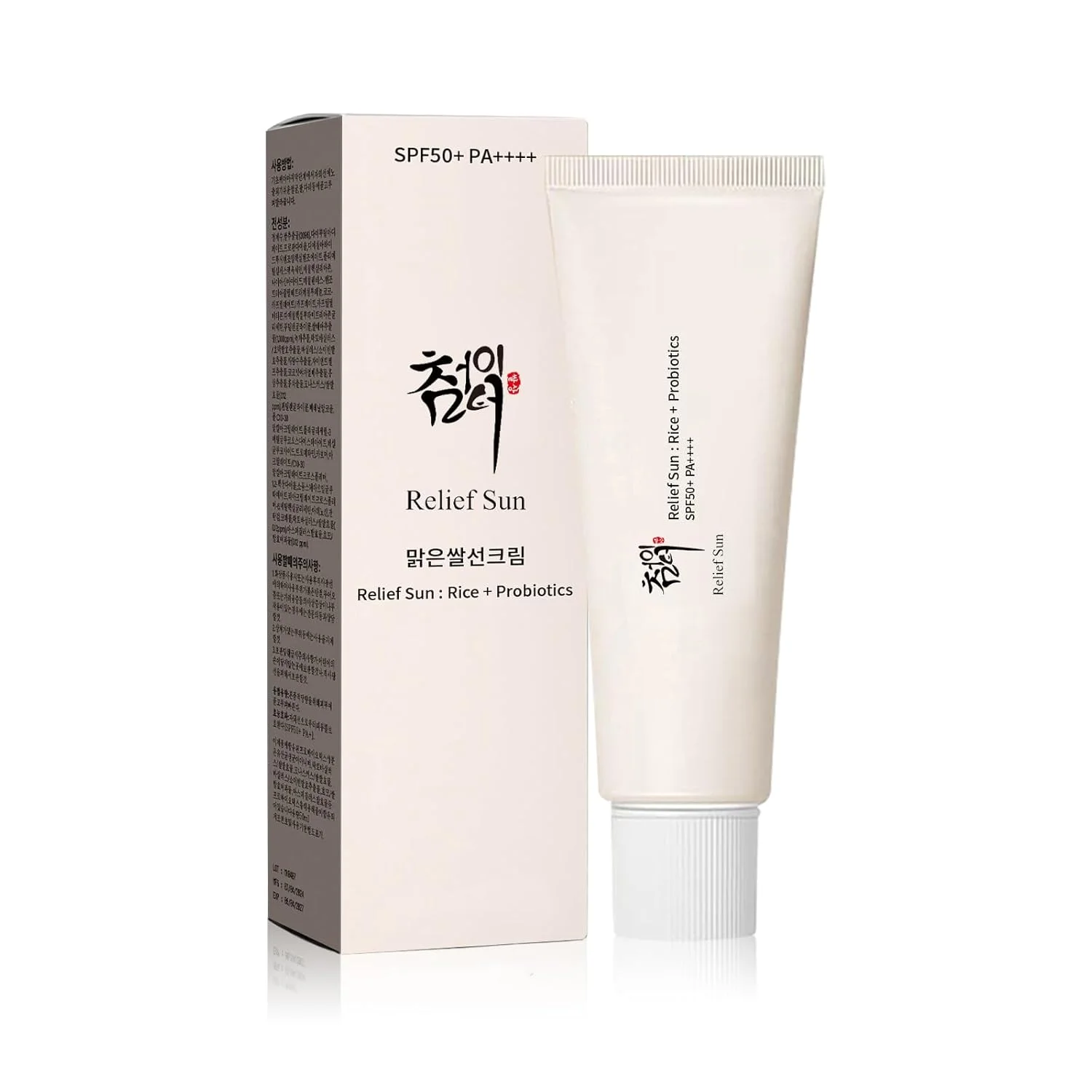
Minji's Pick: Beauty of Joseon Relief Sun Rice + Probiotics SPF 50+ PA++++
This is the sunscreen that convinced a lot of people SPF can feel like skincare instead of a chore. It's a light, cream-like chemical sunscreen that's widely praised for minimal white cast and a comfortable finish. If you wear makeup, give it a few minutes to set before cushion or BB cream.
The full Beauty of Joseon Relief Sun review covers filters, finish and who it suits.
For more options across different skin types and budgets, check out the best Korean sunscreens roundup.
Minji's Pro Tip: Use the two-finger rule for measuring how much sunscreen to apply. Squeeze a line of product along your index and middle fingers - that's roughly the right amount for your face. Most people apply less than the amount used in SPF testing, which means less protection than the label promises. Don't skimp.
Looking for a low-white-cast SPF for your skin tone?
Seven Korean sunscreens compared: See Best Korean Sunscreens 2026
Why Korean Skincare Looks the Way It Does: The Seoul Factor
"Is it genetics? Is it diet? Why does everyone in Seoul seem to have such good skin?" Genetics and lifestyle play a role. But a bigger factor is environment-driven skincare culture. The Seoul climate pushes people toward specific habits, and those habits are what the 7-step routine is built around.
황사 (Yellow Dust) - Why Double Cleansing Is Essential
Every spring, dust from deserts in China and Mongolia blows across the Korean peninsula, on top of the regular fine dust (미세먼지) problem. On bad days, the sky turns hazy, air-quality alerts go out, and KF94 masks are everywhere. That fine particulate settles into the sunscreen and sebum on your face, which is why removing that oily layer properly with an oil cleanser first is the Korean default.
Ondol Heating - Why Toner + Essence Matter in Winter
Korean apartments use ondol (온돌), a radiant underfloor heating system with roots going back centuries. It's incredibly cozy - but in winter, indoor air gets very dry. If you're not layering hydration (toner, essence, moisturizer), skin can feel tight and papery by morning. This is why the Korean approach to hydration is "layer many thin products" rather than "one thick cream."
장마 (Rainy Season) - Why Lightweight Moisturizer Matters
From late June through mid-July, Seoul gets 장마 - monsoon season. Humidity shoots up, and heavy creams can feel suffocating and may clog pores for some people. This is when many people switch to gel-type moisturizers or water-based sleeping masks. The routine doesn't change - the textures do. This adaptability is baked into K-beauty philosophy.
UV Index - Why SPF Every Single Day
Seoul sits at roughly the same latitude as Washington D.C., but the UV culture is very different. Korean weather apps commonly show UV index alongside temperature, and dermatologists consistently call daily sunscreen one of the most effective anti-aging habits. Sunscreen isn't seasonal in Korea - it's year-round, rain or shine.
5 Beginner Mistakes That Will Sabotage Your Routine
These are the spots where beginners most often go wrong. Avoid them, and you'll save yourself weeks of frustration:
- Skipping hydration entirely. Western skincare taught a lot of people that toner = astringent. Korean toner = hydrating prep step. If your skin feels tight after cleansing, a hydrating layer is usually the missing piece.
- Using too many actives at once. The excitement of a new haul is real - you want to try the Vitamin C AND the AHA AND the retinol all in the same night. Don't. Introduce one new active at a time, wait two weeks, and watch how your skin reacts. Stacking acids on day one is a classic route to irritation. Not cute.
- Getting the product order wrong. The rule is dead simple: thin to thick, water to oil. Toner before essence, essence before serum, serum before moisturizer. Heavier layers first make the lighter ones harder to spread. Order matters.
- Treating SPF as optional. This can't be stressed enough. Brightening and dark-spot products are fighting uphill without daily UV protection. It's like mopping the floor with the door open during a dust storm. Put on your sunscreen.
- Over-exfoliating. AHA, BHA, PHA, scrubs - beginners love exfoliation because skin feels smoother right away. And then a few days later, it can turn red, flaky and irritated. For most beginners, once or twice a week is plenty. Your skin is not a kitchen counter.
Which Korean Skincare Routine Is Right for You?
The 7-step framework is the same for everyone. What changes is which products you pick at each step. Here's how Minji would adjust based on skin type:
| Skin Type | Cleanser | Toner | Moisturizer | Key Focus |
|---|---|---|---|---|
| Oily / Combo | Gel cleanser (low-pH) | BHA exfoliating toner | Lightweight gel cream | Pore care + oil balance |
| Dry / Dehydrated | Cream or balm cleanser | Hydrating toner (2-3 layers) | Rich cream or sleeping mask | Barrier support + moisture |
| Acne-Prone | Low-pH gel cleanser | BHA or centella toner | Oil-free gel moisturizer | Calm skin, avoid clogging |
| Sensitive / Redness | Fragrance-free foam | Centella or heartleaf toner | Calming cream (ceramide-based) | Minimal actives, barrier focus |
For oily skin, swap the Klairs moisturizer for a lighter gel cream and consider a BHA toner step - see the best Korean toners guide for options by skin type, including acne-prone. If your skin is dry, the best Korean moisturizers breakdown will help you find the right cream weight. And if you're dealing with redness or sensitivity, Anua and Round Lab both have gentler picks in the toner comparison.
Frequently Asked Questions
Do I really need all 7 steps?
Honestly? No, not every single time. On rushed mornings, toner, moisturizer and SPF is plenty. The 7-step framework gives you the ideal order, but the useful part is that you can scale up or down. Start with cleanser, toner, moisturizer, SPF, and add essence and serum when you're ready. Consistency with fewer steps beats a perfect 7-step routine you only do twice a week.
Can I use Korean skincare with Western products?
Yes. Your skin doesn't care about the country of origin on the label. A French micellar water or a prescription retinoid can sit in the same routine as Korean toners and creams. The key is that ingredients play well together, not that everything matches geographically. Mix freely, and ask your dermatologist about combining anything with prescription products.
How long before I see results?
Skin renewal is often cited at roughly a month, so give any new routine at least 4-6 weeks before judging. Some things change faster - hydration from toner and essence can feel different within days. But texture changes, fading dark spots, or firmer-looking skin? That's a month-plus commitment. Patience is the hardest active ingredient.
What's the difference between essence and serum?
Think of essence as a "hydration booster" and serum as a "targeted treatment." Essences are typically lighter in texture, focused on overall hydration. Serums are more concentrated, with active ingredients aimed at specific concerns (Vitamin C for brightening, niacinamide for the look of pores, retinol for anti-aging). You use essence first (lighter) then serum (slightly thicker/more concentrated).
Is Korean skincare safe for sensitive skin?
Korean skincare can be a good fit for sensitive skin because many K-beauty formulas are built around light textures, barrier support, and lower-fragrance options. Brands like Klairs, Soon Jung, and Round Lab specifically market lines for reactive skin. That said, always patch test new products for 24 hours before putting them all over your face.
How to Start This Routine Without Buying a Whole Skincare Shelf
If you are starting from zero, do not copy a full routine on day one. Start smaller than your excitement wants you to.
- Week 1: cleanser, moisturizer, sunscreen. Make sure nothing stings, pills, or breaks you out.
- Week 2: add hydrating toner. Use it once a day first, then AM and PM if your skin likes it.
- Week 3: add essence only if your skin still feels dehydrated.
- Week 4: add one serum for one problem. Dark spots, acne, texture, redness - pick one. Not all of them.
This is the part nobody wants to hear because hauls are more fun than patience. But if your skin reacts, a slow routine lets you identify the product causing the issue. A seven-product overnight reset turns your face into a mystery case.
Signs Your Beginner Routine Is Working
You do not need a dramatic before-and-after to know the routine is helping. The first good signs are usually boring: your skin feels less tight after cleansing, moisturizer does not sting, sunscreen sits more evenly, and makeup does not catch on dry patches.
Breakouts should not suddenly explode. A little adjustment is possible when you change cleanser or sunscreen, but painful new clusters are not a "purge" unless you introduced a real active like retinoid or exfoliating acid. Most beginner routines are not supposed to purge.
After four to six weeks, you can judge texture and tone more fairly. Hydration improves faster. Dark spots and acne marks move slower. That is normal. The routine is not failing just because hyperpigmentation did not leave in two Tuesdays.
Where to go next
- COSRX Snail Mucin 96% review - including where snail mucin goes in your routine order.
- Best Korean sunscreens 2026 - if SPF is the step you keep skipping.
- Best Korean cleanser 2026 - oil and water cleansers by skin type.
This post contains affiliate links. If you purchase through them, we may earn a small commission at no extra cost to you. Recommendations are based on product information and formulas, not paid placement.