
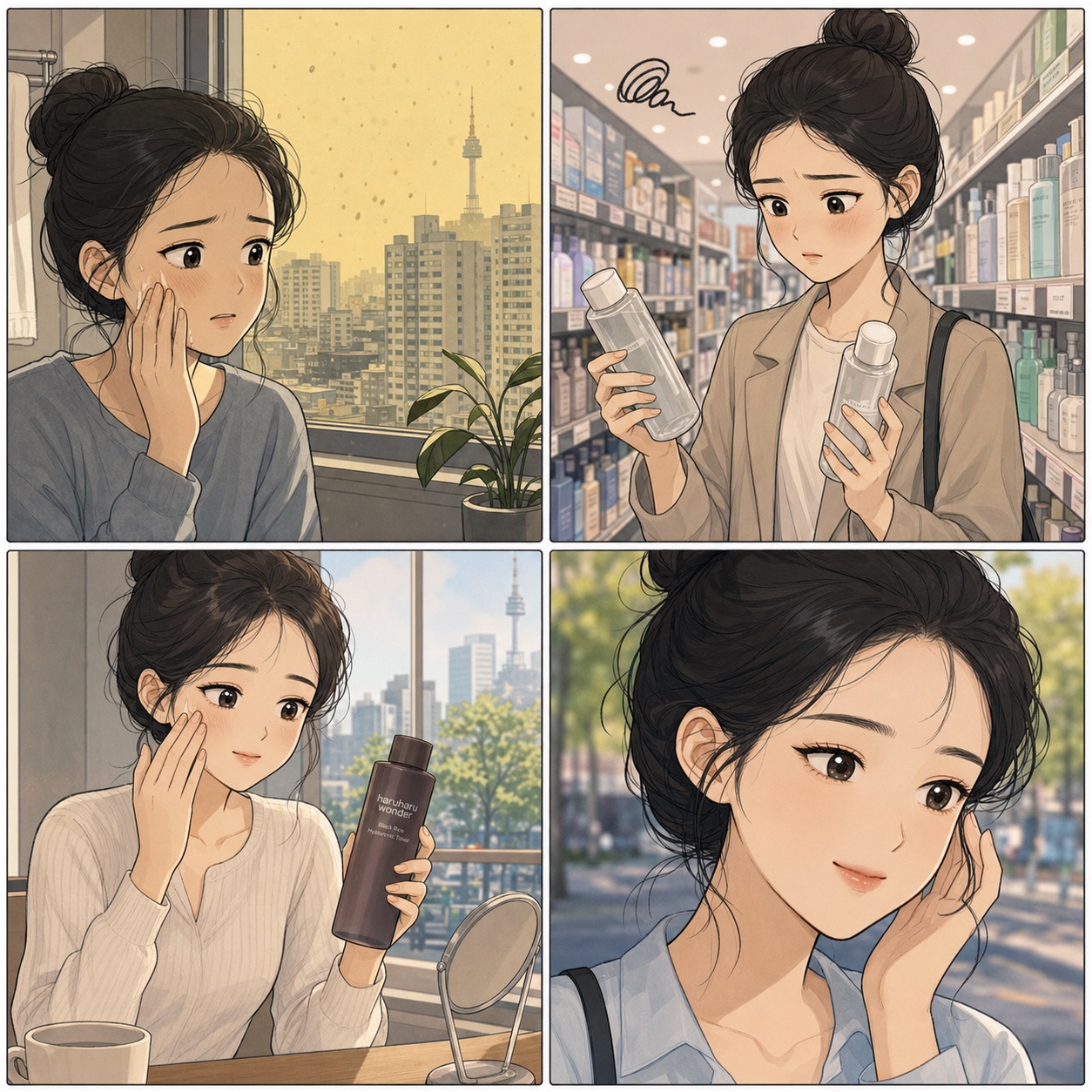
Quick verdict: Haruharu Wonder Black Rice Hyaluronic Toner is a hydrating first layer, not an exfoliating toner. It makes the most sense for dehydrated skin, the kind that feels tight right after washing but still turns shiny by afternoon. If you want acids, pore care or a strong calming toner, there are better-matched bottles.
The name does a lot of work here: black rice (fermented, per Haruharu) plus hyaluronic (water-binding). That's the whole pitch. Below is what the brand says it contains, which of its two versions to pick, and how it stacks up against the other toners people usually weigh it against. 🍚
🔎 How This Guide Was Put Together
- Sources: Haruharu Wonder's official product pages for the original toner and the "free of alcohol & fragrance" version, plus the brand's own routine directions
- Compared: the two Haruharu versions, and how this toner differs from Round Lab Birch Juice and Anua Heartleaf 77
- Not included: personal before-and-after claims. Minji is our fictional guide, so this is a research-based buying guide, not a wear test.
What's in the Bottle
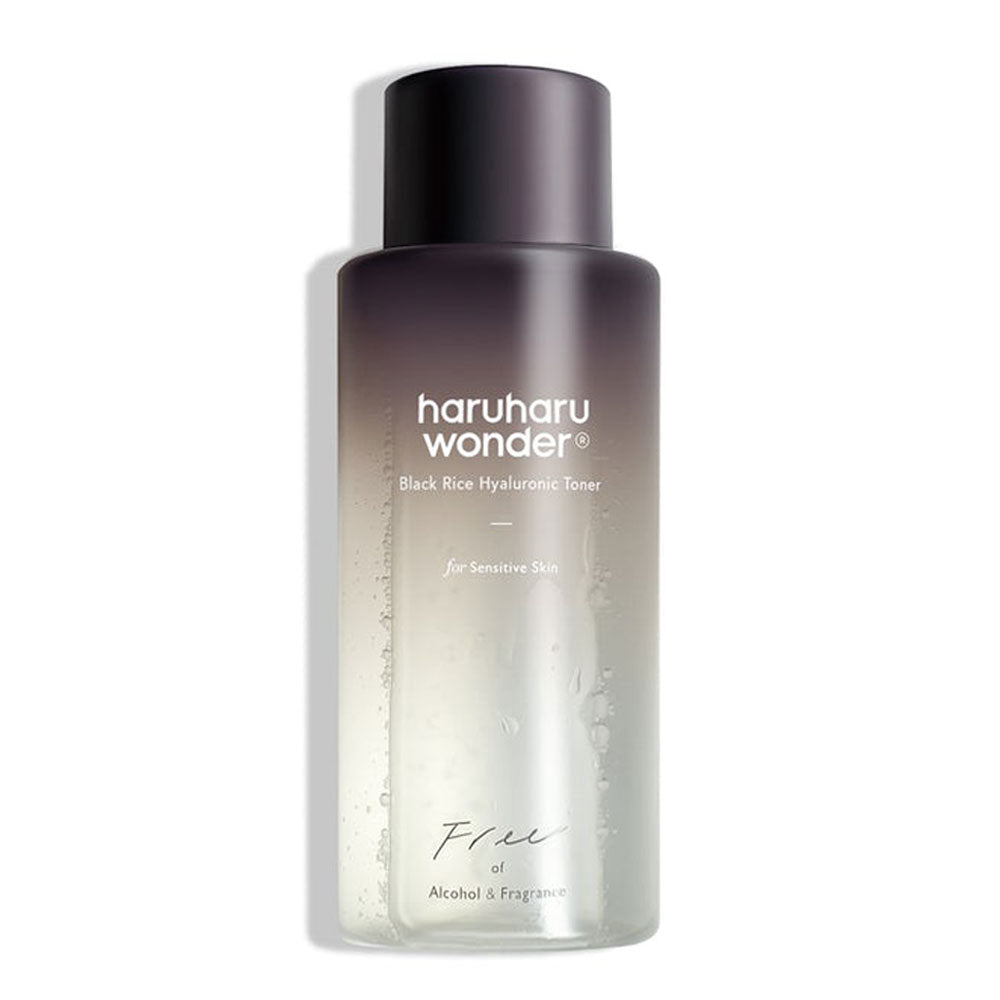
Haruharu Wonder (하루하루원더) builds this toner around fermented black rice extract, which it presents as Korean-grown black rice put through the brand's fermentation process. Haruharu says fermentation makes the formula easier for skin to take in, and markets black rice for antioxidant and brightening benefits. Treat that as the brand's positioning: the job you can count on here is hydration.
The hydration side comes from three familiar humectants:
- Hyaluronic acid: the water-holding ingredient in the name
- Glycerin: the workhorse humectant in most good hydrating toners
- Betaine: a gentle moisture-binding ingredient listed near the top of the label
Notice what's missing: no AHA, BHA or PHA. This is not a "glass skin through exfoliation" bottle. If the toner you have now is an acid toner, Haruharu doesn't replace it. It sits alongside it or in place of it on rest nights.
Haruharu also markets the toner as vegan and cruelty-free. The official store lists 150ml and 300ml bottles, plus a 30ml travel size.
Original vs "Free of Alcohol & Fragrance": Pick the Right One
This is the detail that trips up Amazon shoppers. Haruharu sells two different versions under almost the same name:
| Version | How to spot it | Who it suits |
|---|---|---|
| Original | Just "Black Rice Hyaluronic Toner" | Skin that has no issues with essential oils or a light scent |
| Free of Alcohol & Fragrance | Label says "free of alcohol & fragrance" (sometimes listed as "for sensitive skin") | Sensitive or reactive skin, fragrance avoiders |
The core ingredients overlap, but the original formula is the one with scent components on its ingredient list. Minji's rule: if you have ever reacted to a fragranced product, search specifically for the alcohol-and-fragrance-free listing and read the front label in the product photos before checking out.
Which Dehydrated-Skin Problem It Solves
"Dehydrated" and "dry" get mixed up all the time. Dry skin is short on oil. Dehydrated skin is short on water, and it can be oily at the same time. That second group is exactly who a humectant toner like this is built for:
- Cheeks feel tight in the first few minutes after cleansing
- Foundation looks flaky around the nose, while the forehead still gets shiny
- Rich creams feel like too much, but skipping a hydrating step leaves skin uncomfortable
In Seoul, this pattern often peaks in spring yellow-dust season and in winter, when ondol floor heating dries the air indoors. If your cheeks are rough, peeling and stinging, though, the issue is probably barrier damage, not dehydration. A toner can't patch that. Head to our Korean moisturizer guide, which covers dry, dehydrated and damaged-barrier skin and pick a cream first.
How It Compares: Round Lab Birch Juice and Anua Heartleaf 77
These are the three bottles that usually end up in the same cart. Here's how they split, based on how each brand positions its formula:
| Toner | Lead ingredient | Main job |
|---|---|---|
| Haruharu Black Rice Hyaluronic | Fermented black rice + hyaluronic acid | Hydration with a fermented-ingredient angle |
| Round Lab Birch Juice | Birch sap | Plain, watery hydration |
| Anua Heartleaf 77 | Heartleaf (houttuynia) extract | Soothing for redness- and breakout-prone skin |
If hydration is the only goal and you want the simplest possible formula, our Round Lab Birch Juice Moisturizing Toner review covers the more minimal option. If your skin is oily, red or breakout-prone and you want calming before hydration, read the Anua Heartleaf 77% Soothing Toner review. Haruharu fits between them: more of a hydration story than Anua, more ingredient interest than Round Lab.
Still undecided? Our best Korean toners guide sorts hydrating, milky, soothing and exfoliating toners by skin type.
Where It Goes in a Routine (and How to Apply It)
Haruharu's directions put it right after cleansing and before essence or serum. A simple routine built around it:
- Gentle cleanser
- Haruharu Black Rice Hyaluronic Toner, patted in with your hands or a cotton pad
- Serum or ampoule if you use one
- Moisturizer to seal the water in
- Sunscreen in the morning
Two application tips specific to a humectant toner:
- Apply it to slightly damp skin and follow with moisturizer within a minute or two. Hyaluronic acid works best when there is water to hold onto and something on top to keep it there.
- Layer thin coats instead of one big splash. The "7-skin" approach of 2-3 light layers suits watery toners like this better than drenching a cotton pad.
Under makeup, keep it to one or two layers and give it a moment before sunscreen. Too many humectant layers can feel tacky under base.
Who Should Skip It
- You want exfoliation. There are no acids here, so look at an AHA/BHA/PHA toner instead.
- You're sensitive to fragrance but can't confirm the version. If a listing doesn't clearly say "free of alcohol & fragrance," don't assume.
- Your skin is oily and already comfortable. If nothing feels tight after cleansing, a hydrating toner adds a step, not a fix.
- Your barrier is damaged. Fix that with a ceramide moisturizer first. Toner comes later.
Amazon Listing Check
Before you check the current Haruharu Black Rice Toner price on Amazon, confirm three things in the listing: which version it is (original or alcohol-and-fragrance-free), the size (150ml vs 300ml), and that the bottle matches the current packaging pictured above.
FAQ
Is Haruharu Black Rice Toner good for dehydrated skin?
That's its main use case. Fermented black rice, hyaluronic acid, glycerin and betaine add water to the skin, which suits skin that feels tight but isn't truly dry. Follow it with a moisturizer.
Does Haruharu Black Rice Toner exfoliate?
No. It contains no AHA, BHA or PHA. It's a hydrating toner.
What's the difference between the original and the sensitive version?
Haruharu sells a version labeled "free of alcohol & fragrance." The hydrating ingredients are similar. The original has scent components on its ingredient list, so sensitive skin should choose the alcohol-and-fragrance-free one.
Can I use it with retinol or vitamin C?
Yes. A plain hydrating toner like this is a sensible base before most serums, including retinol and vitamin C. Apply the toner first and let it sink in.
Haruharu Black Rice vs Round Lab Birch Juice: which one?
Both hydrate. Round Lab is the simpler, more minimal formula. Haruharu adds fermented black rice and hyaluronic acid if you want a bit more ingredient interest.
Minji's Pick: Haruharu Wonder Black Rice Hyaluronic Toner
Best for: dehydrated or combination skin that feels tight after washing, and anyone who wants a no-acid hydrating first layer.
Choose the alcohol-and-fragrance-free version if: your skin is sensitive or you avoid essential oils.
Skip it if: you want an exfoliating toner, your skin is already well hydrated, or your barrier needs repair first.
This post contains affiliate links. If you purchase through them, we may earn a small commission at no extra cost to you. Recommendations are based on product information and formulas, not paid placement. See the full Affiliate Disclosure.