
Short answer: cleansing oil and cleansing balm do the same basic job - they both dissolve makeup, sunscreen, and sebum using oil-based formulas. The real difference? Texture and convenience. Ngl, the debate is way more about personal preference than performance. But there ARE situations where one clearly makes more sense than the other - and that's what this post is about. 💁♀️
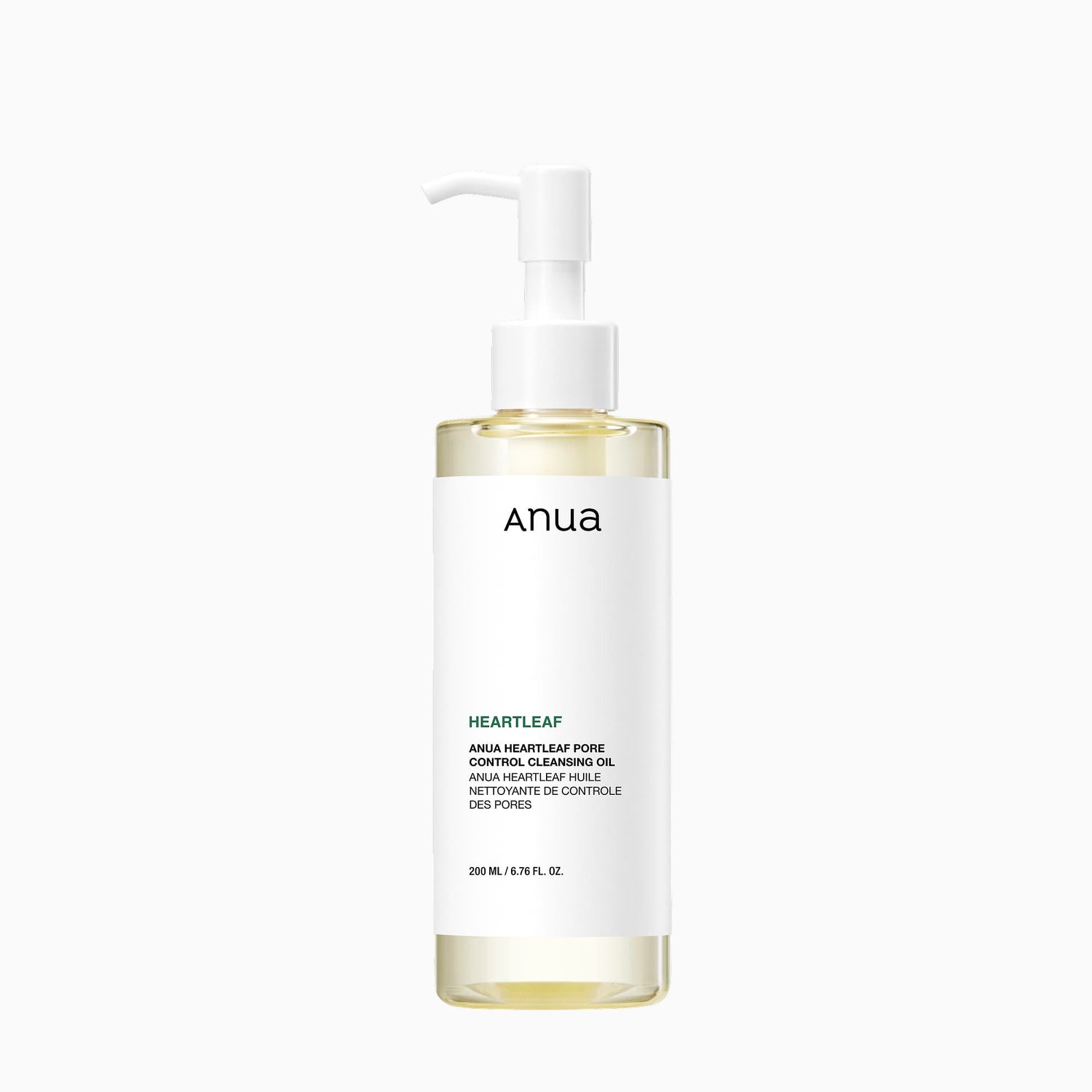
Product image: Anua official site
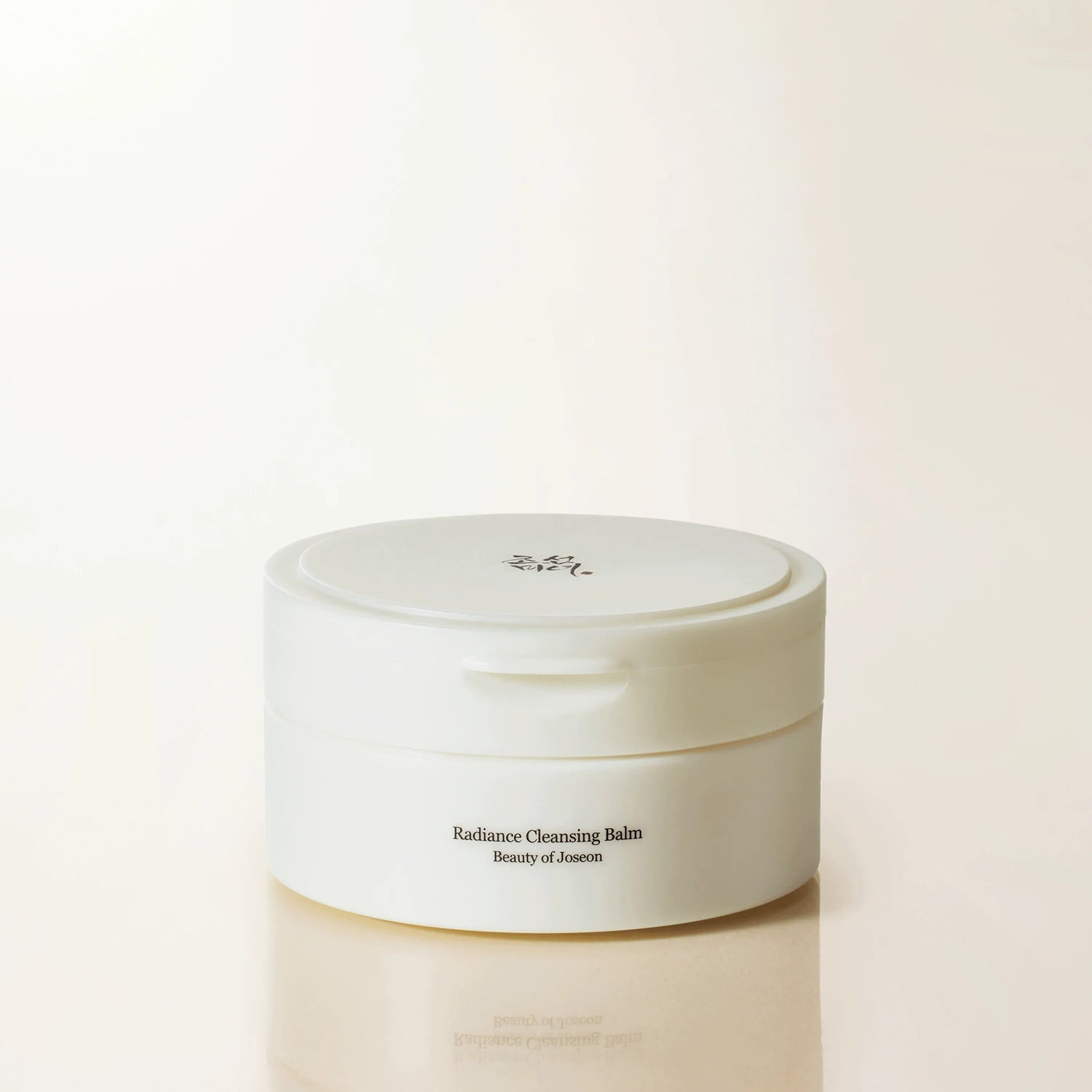
Product image: Beauty of Joseon official site
🔎 How This Guide Was Put Together
- Sources: brand product pages and labels for the oils and balms below, plus how oil-based first cleansers work in a double cleanse
- Compared: texture, packaging and hygiene, rinse-off style, travel practicality, and which skin types each format tends to suit
- Not included: personal before-and-after claims. Minji is our fictional guide, so this is a research-based buying guide, not a wear test.
Cleansing Oil vs Cleansing Balm: Quick Comparison
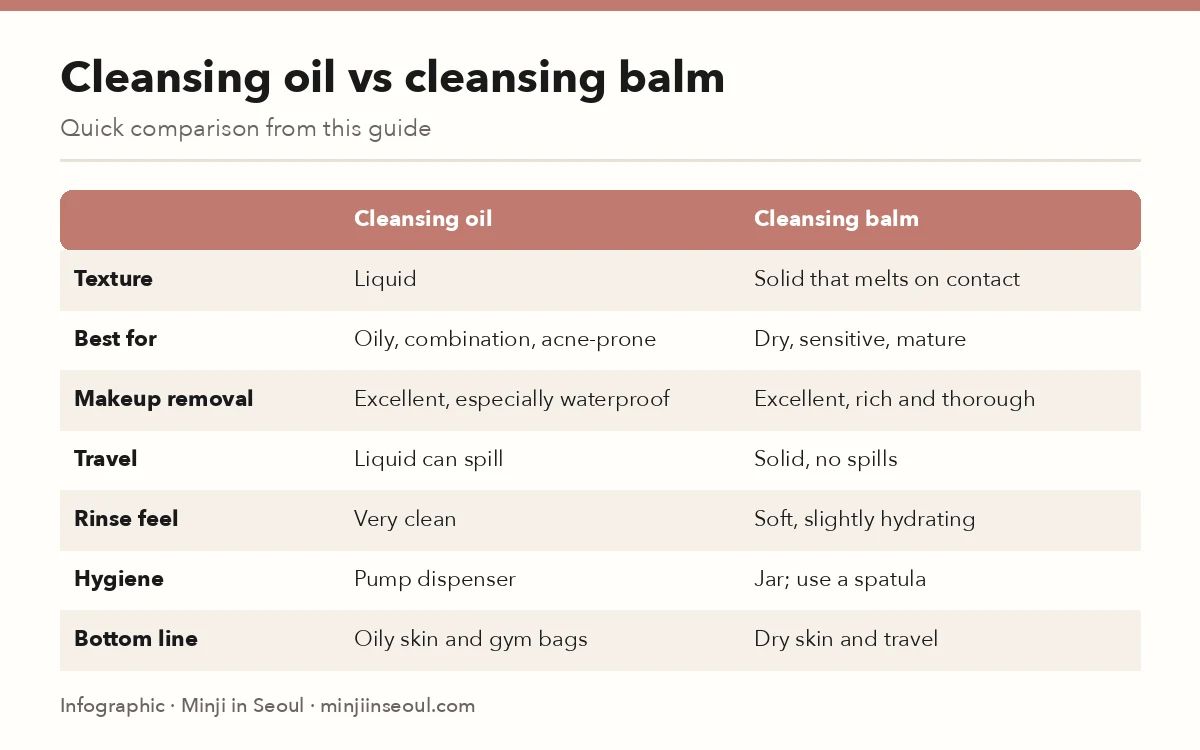
Infographic: cleansing oil and balm compared.
| Cleansing Oil | Cleansing Balm | |
|---|---|---|
| Texture | Liquid | Solid → melts on contact |
| Best for skin type | Oily, combo, acne-prone | Dry, sensitive, mature |
| Makeup removal | Excellent (esp. waterproof) | Excellent (rich + thorough) |
| Travel-friendly | ❌ Liquid = spill risk | ✅ Solid = less spill risk |
| Rinse feel | Very clean, squeaky | Soft, slightly hydrating |
| Hygiene | ✅ Pump dispenser | ⚠️ Jar (use a spatula) |
| Bottom line | Best for oily skin + gym bags | Best for dry skin + travel |
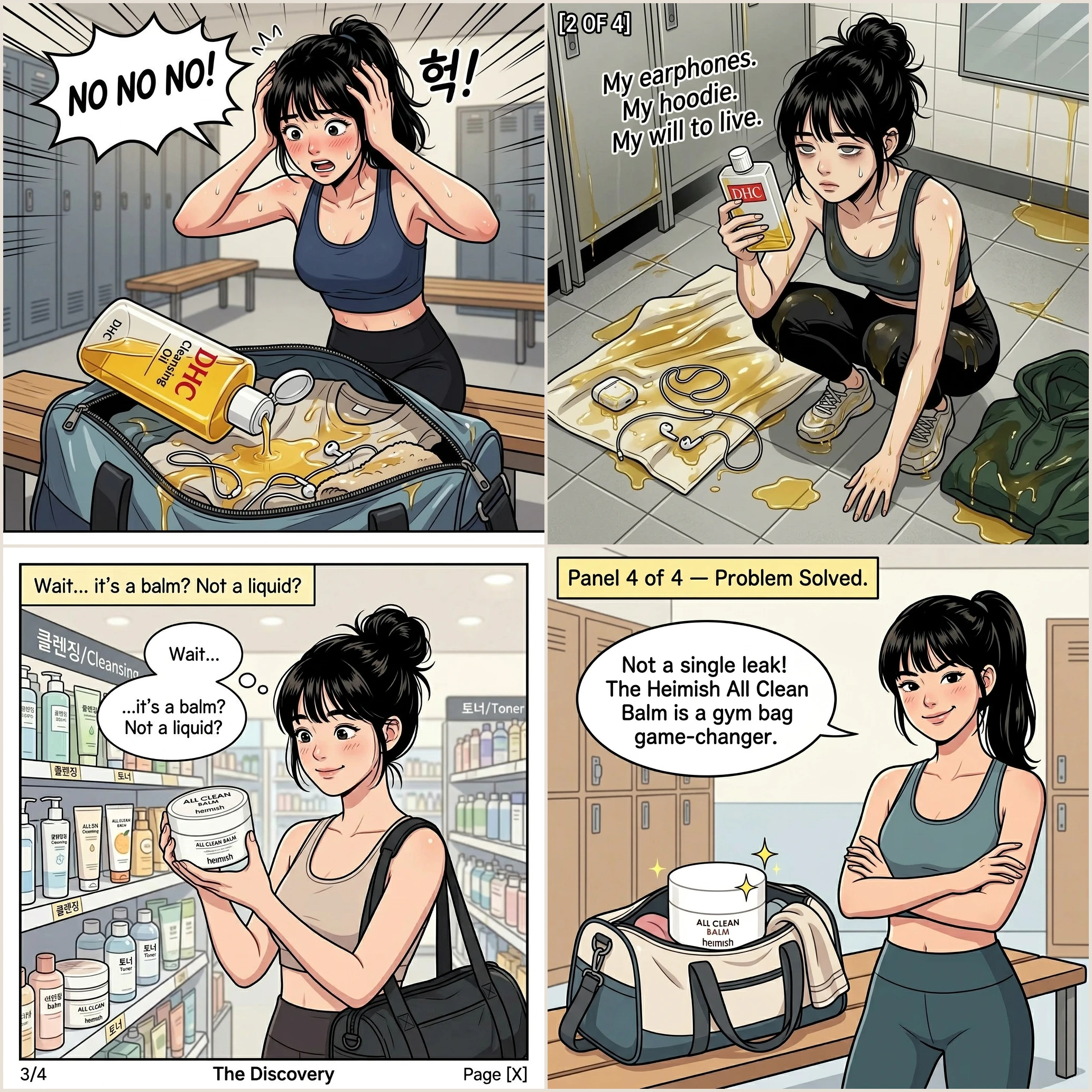
⚡ TL;DR - Quick Decision Guide
Choose a Cleansing Oil if:
- ✔ You wear heavy/waterproof makeup daily
- ✔ You prefer a lightweight, runny texture that spreads fast
- ✔ You want something that rinses off super cleanly
Choose a Cleansing Balm if:
- ✔ You travel a lot and hate worrying about liquid spills
- ✔ You enjoy a richer, spa-like massage experience
- ✔ You have dry or sensitive skin that needs extra gentleness
What Is a Cleansing Oil vs Cleansing Balm?
Okay, quick breakdown, because a lot of people think these are completely different products. They're not - they're basically cousins.
A cleansing oil is a liquid oil-based cleanser. You pump it onto dry hands, massage it onto your dry face, and when you add water, the oils emulsify (turn milky) and rinse away along with makeup and grime. DHC Deep Cleansing Oil is the classic example most people start with.
A cleansing balm starts as a solid or semi-solid wax-like texture in a jar. When you scoop it out and warm it between your fingers, it melts into an oil. From there, it works just like a cleansing oil - massage, emulsify, rinse. Products like Heimish All Clean Balm and Beauty of Joseon Radiance Cleansing Balm are among the most popular K-beauty balms right now.
Both are designed for the first step of double cleansing - a method that's basically non-negotiable in Korean skincare routines. The first cleanse (oil or balm) removes oil-based impurities. The second cleanse (a water-based cleanser like COSRX Low pH Good Morning Gel Cleanser) removes everything else.
Cleansing Oil vs Cleansing Balm: Key Differences
Here's the side-by-side on the things that change your day-to-day:
| Category | Cleansing Oil | Cleansing Balm |
|---|---|---|
| Texture | Liquid, runny | Solid → melts to oil |
| Application | Pump directly onto hands | Scoop with spatula/fingers |
| Rinse Feel | Very clean, sometimes slightly stripping | Soft, slightly moisturizing |
| Best For | Heavy makeup, oily skin | Dry/sensitive skin, travel |
| Travel-Friendly | Not great (leaks, liquid rules) | Better (solid = fewer spills) |
| Double Cleanse Step | First step ✓ | First step ✓ |
| Hygiene | Pump = more sanitary | Jar = less sanitary (use spatula!) |
The pattern: balms tend to leave a softer after-feel, oils tend to rinse cleaner, and makeup-removal power is similar when you use either one properly. The biggest practical difference is convenience. A solid balm in a jar is less likely to leak in a suitcase than a pump bottle of oil. (Airport liquid rules can still apply to soft, spreadable products, so check before you fly.)
Best Cleansing Oils: Top Picks for Double Cleansing
Real talk - there are a LOT of cleansing oils. These are the ones Minji would point to first:
1. DHC Deep Cleansing Oil
Yes, this is technically a Japanese product, but it's so beloved in the K-beauty community that it has to be here. It's an olive oil-based cleansing oil and one of the most widely recommended options for removing heavy and waterproof makeup. If you're new to oil cleansing, it's the classic starting point.
👉 Check DHC Deep Cleansing Oil on Amazon
2. Kose Softymo Speedy Cleansing Oil
Another J-beauty crossover that the K-beauty community has fully adopted. It's a thinner, budget-friendly oil, and as the "speedy" name suggests, it's positioned for quick cleansing. A practical pick for a gym bag or for oily skin that wants a lighter feel.
3. Manyo Factory Pure Cleansing Oil
This one has had huge social media attention as a truly Korean option. It's a lightweight first cleanse that suits people who want a K-beauty oil rather than a J-beauty classic. As with any new cleanser, if your skin is breakout-prone, introduce it on its own so you can tell how your skin responds.
Best Cleansing Balms: Top K-Beauty Picks
Balms have had a MOMENT and they don't look like they're going anywhere. These are the K-beauty balms worth knowing:
1. Heimish All Clean Balm
A cult favorite. The texture is thick but melts quickly on contact - think butter dissolving on warm toast. It's a go-to for removing a full face of makeup without tugging, and it has a subtle herbal scent (worth knowing if you're fragrance-sensitive). More detail in our Heimish All Clean Balm review.
👉 Check Heimish All Clean Balm on Amazon
2. Beauty of Joseon Radiance Cleansing Balm
The newer kid on the block that's been giving Heimish serious competition. It follows the brand's rice-focused theme, with rice bran in the formula, and it's positioned for a soft, comfortable rinse-off. Set expectations right, though: a cleanser rinses off, so think "comfortable cleanse," not "brightening treatment." Full breakdown in our BOJ Radiance Cleansing Balm review.
👉 Check Beauty of Joseon Radiance Cleansing Balm on Amazon
3. Banila Co Clean It Zero
The OG cleansing balm that basically started the whole trend, and the product that moved a lot of people off makeup wipes. The sherbet-like texture is what it's known for. If you've never used a cleansing balm before, this is one of the safest first choices because it's designed to suit most skin types.
👉 Check Banila Co Clean It Zero on Amazon
Cleansing Oil vs Cleansing Balm: Which Wins by Skin Type?
This is where it matters. Here's Minji's take by skin type:
Cleansing Oil vs Cleansing Balm for Oily Skin
Go with a cleansing oil. It sounds counterintuitive - putting oil on oily skin - but oil dissolves oil (like dissolves like, basic chemistry). Cleansing oils tend to rinse cleaner and leave less residue, which is exactly what oily skin wants. Richer balms are more likely to leave a slight film if you don't rinse well. For the full regimen, see our Korean skincare routine for oily skin.
Cleansing Oil vs Cleansing Balm for Dry Skin
Cleansing balm, hands down. The richer texture and softer after-feel suit dry skin, and a balm like the BOJ Radiance Cleansing Balm is a sensible winter pick. Pair it with a hydrating second cleanser like Round Lab Birch Juice Moisturizing Cleanser so your second cleanse doesn't undo the comfort.
Cleansing Oil vs Cleansing Balm for Sensitive Skin
Either works, but Minji would lean toward a fragrance-free cleansing balm, checking the label for scent first. The bigger factor is technique: a gentle massage and no aggressive rubbing. Let the product do the work.
Cleansing Oil vs Cleansing Balm for Acne-Prone Skin
This is where it gets tricky. Cleansing oil is generally the easier pick for acne-prone skin because the pump dispenser is more hygienic than dipping your fingers into a jar, and oils tend to emulsify more completely, leaving less residue. That said, both can work as long as you follow up with a proper water-based cleanser. The full double cleanse approach is in our Korean skincare routine for acne-prone skin guide.
Cleansing Oil vs Cleansing Balm: Honest Cons
Not here to just sell you stuff. Here are the real downsides of each format:
Cleansing Oil Cons
- Messy and spillable. Pumps can leak in travel bags, and oil gets everywhere and can stain fabric.
- Can feel too stripping for dry skin. Some formulas emulsify very thoroughly and can leave dry skin feeling tight.
- Harder to control the amount. A pump gives a set dose, which can be too much or too little for your face.
Cleansing Balm Cons
- Hygiene concerns with jar packaging. You're dipping into a jar every night. Use the spatula, and never dig in with wet fingers - water in the jar is a bad idea.
- Can leave a residue if not rinsed properly. Balms are thicker, so they need more water and more rinsing to fully emulsify. Skimping on the rinse is a common reason people blame balms for bumps.
- Melts in hot weather. Leave a balm in a hot car and it can turn into soup. Store it somewhere cool, which is annoying if you live in a hot climate.
Cleansing Oil vs Cleansing Balm: Do You Need Both?
Okay, real quick - you don't need BOTH a cleansing oil AND a cleansing balm. You need ONE of them plus a water-based second cleanser. That's double cleansing.
Here's how it works:
- Step 1 (Oil-based cleanser): Apply your cleansing oil or balm to DRY skin. Massage for 60 seconds. Add water to emulsify. Rinse.
- Step 2 (Water-based cleanser): Use a gentle gel or foam cleanser like COSRX Low pH Good Morning Gel Cleanser to remove any remaining residue. See our full COSRX cleanser review for details.
A clean base also gives the rest of your routine - serums like Mixsoon Bean Essence - a better starting point than skin still coated in sunscreen and makeup.
The one case where owning both formats makes sense is frequent travel: a balm for trips, an oil at home by the sink. For a complete routine walkthrough, see our Korean skincare routine for beginners post.
Common Questions and Myths About Oils vs Balms
"Balms are always better for dry skin." Usually, but not always. A rich balm suits dry skin well, but what you use as a second cleanser matters just as much. A harsh foaming cleanser can cancel out the comfort.
"Oils are always better for oily skin." Generally a good rule, because oils tend to rinse cleaner. But a well-rinsed balm can work for oily skin too. Residue is usually a rinsing problem.
"You have to pick one forever." Nope. Some people use a balm in winter and an oil in humid summer months. It makes sense: your skin and the climate change with the seasons, and so can your first cleanse.
"The classic oil is just as good as the trendy balm." Often true. Simple formulas like DHC have stayed popular for a reason. Newer isn't automatically better.
Cleansing Oil vs Cleansing Balm: FAQ
Is cleansing oil or cleansing balm better for removing waterproof makeup?
Both are designed to remove waterproof makeup. The key is massaging long enough (at least 60 seconds) and starting on DRY skin. If your face is wet, neither will work properly.
Can I use cleansing oil or balm without double cleansing?
Technically yes, but it's not recommended. Oil-based cleansers are designed to be the FIRST step. Without a second water-based cleanser, you can leave behind residue that may clog pores over time.
Will cleansing oil make my oily skin worse?
Generally no - this is one of the biggest myths in skincare. Oil cleansers are designed to dissolve and remove oil, not leave it behind, as long as you emulsify and rinse thoroughly. See the best Korean cleansers for 2026 for more options.
How long should I massage a cleansing oil or balm?
About 60 seconds. It feels like forever, but rushing through in 15 seconds is one of the most common reasons skin still feels like it has makeup on afterward.
Can I use a cleansing oil or balm on my eyes?
Many are designed to remove eye makeup - check the product directions. Massage gently over closed eyes in small circles to dissolve eye makeup, and rinse well. It's often gentler than scrubbing with a remover pad.
Do cleansing balms clog pores?
They can if you don't rinse properly or skip the second cleanse. A well-formulated balm like the Heimish All Clean Balm is designed to emulsify and rinse off - the key is thorough rinsing and always double cleansing.
How do I store a cleansing balm in summer?
Keep it in a cool, dry place away from direct sunlight. Some people refrigerate theirs, which feels amazing on a hot day. Just don't leave it in your car or near a window.
Can men use cleansing oils and balms?
Obviously yes. Skincare doesn't have a gender. These products are for anyone who wears sunscreen (which should be everyone) - an oil-based first cleanse is the most thorough way to remove SPF.
Final Verdict
Minji's Pick
Oily, combo or acne-prone: a cleansing oil like DHC Deep Cleansing Oil
Dry or sensitive: a balm like Beauty of Joseon Radiance Cleansing Balm
Travel: a balm like Heimish All Clean Balm
Skip a jar balm if: you know you won't use the spatula or you live somewhere very hot without a cool place to store it
Here's the honest truth: the difference between a good cleansing oil and a good cleansing balm is small. They do the same job. What matters WAY more is that you're doing the first step of double cleansing at all. If you're still using makeup wipes or just splashing water on your face... we need to talk.
Now go double cleanse. ✨
This post contains affiliate links. If you purchase through them, we may earn a small commission at no extra cost to you. Recommendations are based on product information and formulas, not paid placement.