
Affiliate disclosure: This post contains Amazon affiliate links. If you buy through my links, I may earn a small commission at no extra cost to you.
I Learned That Dark Spots Need a Routine, Not Panic Buying
My worst dark spot shopping happens after good skin days. The breakout is finally flat, makeup is sitting better, and then I catch my face in harsh cafe window light. Suddenly the tiny brown mark on my cheek looks louder than it did at home.
That is when it is easy to buy three brightening serums, an exfoliating toner, and a sunscreen you will not wear. I did that version already. It did not make my marks fade faster. It made my skin annoyed.
The routine that helped was much more boring: cleanse gently, choose one brightening serum that matches the mark, moisturize enough to keep the barrier calm, and wear sunscreen every morning. That is the Korean skincare routine for dark spots I would rebuild if I were starting over.

Simple Routine
5 Steps for Dark Spots
- Gentle cleanse: remove sunscreen without stripping.
- Hydrate: keep the barrier calm so marks do not look angrier.
- Choose one serum: Anua for brown marks, numbuzin for dull tone, Goodal for vitamin C glow.
- Moisturize: seal the routine without overloading the skin.
- Sunscreen: protect the progress every morning.
If you only buy one thing from this page, make it the sunscreen you will wear daily.
First, Know What Kind of Mark You Have
Not every dark spot behaves the same. A flat brown mark after acne usually needs consistency, brightening ingredients, and daily SPF. A red or purple mark after acne often needs calming and barrier support first. A larger symmetrical patch that keeps coming back may be melasma, and that is where I would not rely on a shopping cart alone.
| What You See | Routine Priority | Product Direction |
|---|---|---|
| Flat brown acne mark | tone correction plus SPF | Anua TXA or vitamin C |
| Red-purple acne mark | calm the skin first | barrier cream, centella, gentle routine |
| Whole face looks gray or patchy | overall brightening | numbuzin No.5 or Goodal |
| Large symmetrical patches | SPF and professional guidance | dermatologist plan, skincare as support |
Step 1: Cleanse Without Scrubbing the Mark
Dark spot routines fail fast when cleansing gets too harsh. A cleanser should remove sunscreen, sweat, and makeup without leaving your cheeks tight. Tight skin gets reactive, and reactive skin makes every mark look more obvious.
I like a gentle low-pH cleanser for this step. COSRX Low pH Good Morning Gel Cleanser is a practical option if your skin tolerates tea tree-style cleansers. If your skin is dry or easily irritated, choose the blandest cleanser you own and do not chase a squeaky finish.
Check COSRX cleanser on Amazon
Step 2: Hydrate Before You Treat
This is the step people skip because it sounds less exciting than vitamin C. I get it. But hydration makes the rest of the routine easier to tolerate. If your skin feels tight before serum, a strong brightening product is more likely to sting, pill, or make you quit.
A watery toner or light ampoule is enough. You do not need seven layers. I would rather use one boring hydrating step every day than a brightening routine that feels impressive for three nights and then irritates my cheeks.
If your skin is already stinging, pause brightening and use a barrier-focused routine first. My damaged skin barrier skincare guide is the better next stop in that situation.
Step 3: Choose One Dark Spot Serum
This is the most important edit I would make to most dark spot routines: choose one serum. Not three. Not every viral brightening product at once. One serum that matches the mark you are trying to fade.
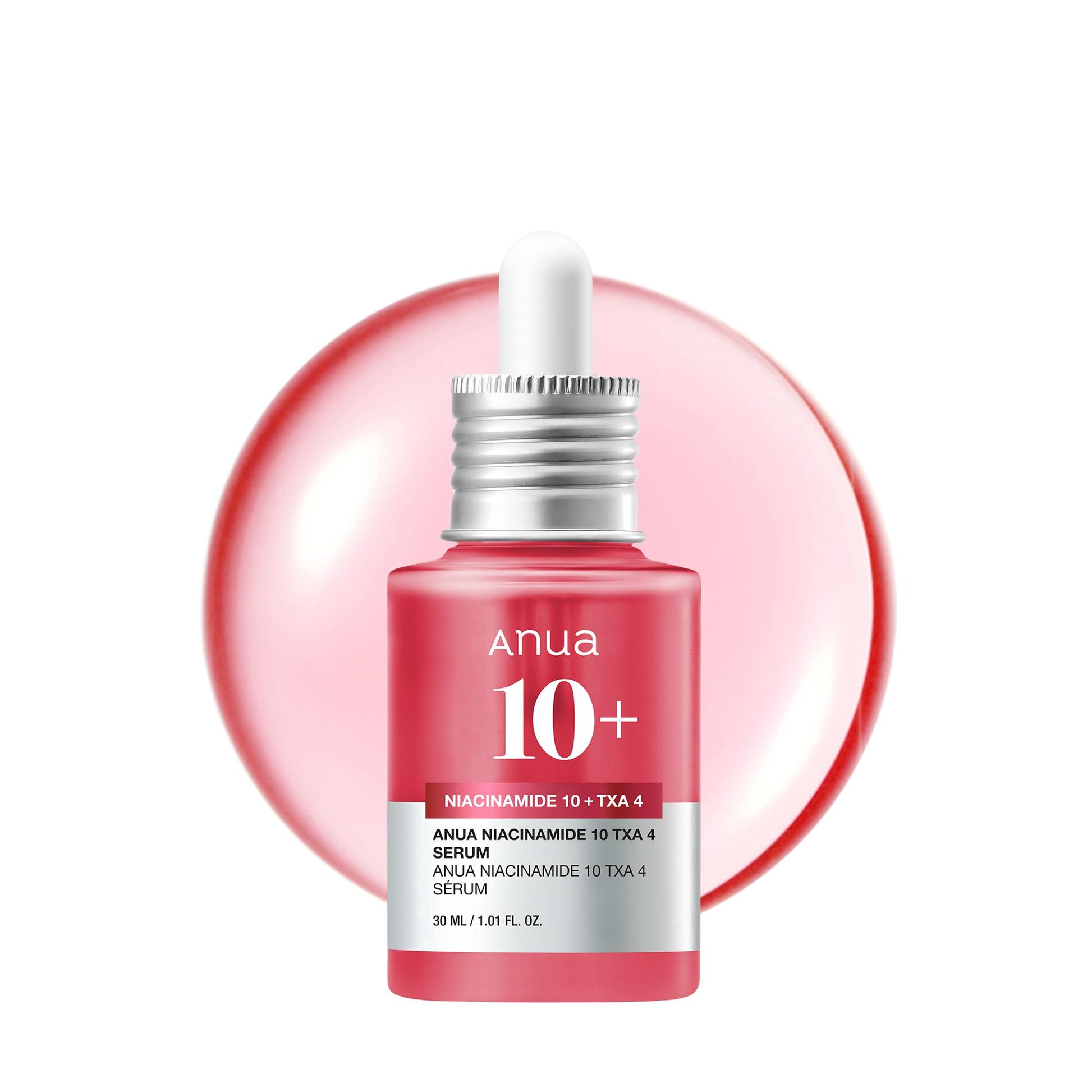
Anua Niacinamide TXA Serum
Best for flat brown post-acne marks.
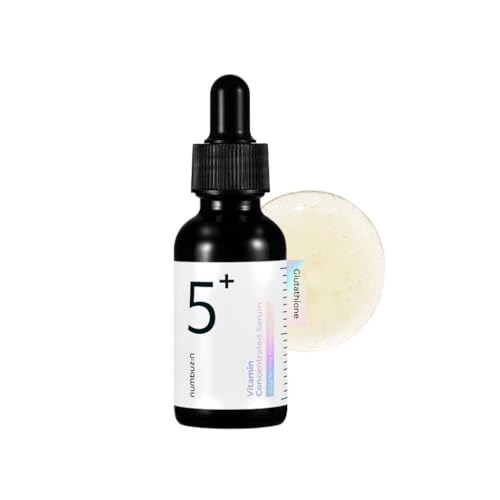
numbuzin No.5 Serum
Best for dull uneven tone.
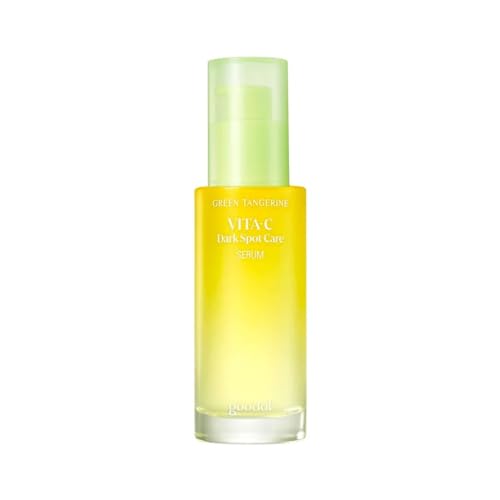
Goodal Vitamin C Serum
Best for vitamin C-style glow.
Choose Anua Niacinamide TXA Serum if the mark is flat, brown, and left behind after acne. Choose numbuzin No.5 Serum if the whole face looks dull or patchy. Choose Goodal Green Tangerine Vitamin C Serum if you want a morning vitamin C routine that sits well under SPF.
If you are still comparing options, use my best Korean dark spot serum on Amazon guide or the best Korean vitamin C serums guide.
Step 4: Moisturize Enough to Keep the Barrier Calm
Moisturizer is not the glamorous step, but it decides whether your brightening serum stays usable. If your skin feels tight after serum, add a light gel cream or barrier cream. If your sunscreen is already moisturizing enough in the morning, you may not need a separate heavy cream.
For acne-prone skin, keep it light. For dry skin, do not be afraid of a richer cream at night. The goal is not to make your face shiny. The goal is to keep your skin calm enough to let the brightening routine continue for eight to twelve weeks.
For more options, compare my best Korean moisturizers guide.
Step 5: Sunscreen Is the Real Dark Spot Step
Sunscreen is not optional in a dark spot routine. If you use brightening serums but skip SPF, you are asking your skin to fade old marks while UV keeps re-triggering pigment. That is why people feel like nothing works.
I like Korean sunscreens here because they are easier to wear daily. The best sunscreen is not the one with the fanciest claims. It is the one you can apply enough of without hating the finish. Beauty of Joseon Relief Sun is still one of the easiest textures for me under makeup, but the right sunscreen is personal.
Check Beauty of Joseon sunscreen on Amazon
More options are in my best Korean sunscreens guide.
Morning Routine for Dark Spots
- Cleanse gently or rinse if your skin is dry.
- Apply a hydrating toner or light ampoule.
- Use one brightening serum: Anua, numbuzin, or Goodal.
- Moisturize where your skin needs it.
- Apply sunscreen generously.
If makeup pills, reduce serum amount first. If it still pills, move the serum to night and keep morning skincare simple. A routine that looks less impressive but gets done daily will beat a complicated routine you avoid.
Night Routine for Dark Spots
- Oil cleanse or balm cleanse if you wore sunscreen or makeup.
- Use a gentle water cleanser.
- Hydrate lightly.
- Use your dark spot serum if you did not use it in the morning.
- Moisturize well.
I would not use exfoliating acids every night while chasing dark spots. If you want exfoliation, start once or twice a week and keep it away from retinoid nights. If irritation shows up, stop trying to speed-run fading.
Realistic Timeline
| Time | What to Expect |
|---|---|
| Week 1-2 | Texture and tolerance check. Do not expect fading yet. |
| Week 3-4 | Overall tone may look a little calmer if the routine suits you. |
| Week 5-8 | Newer post-acne marks may look softer at the edges. |
| Week 8-12 | This is the earliest fair window to judge visible fading. |
If a mark is deep, spreading, or linked to melasma, skincare may only be support. That is not failure. It just means the problem may need a different level of treatment.
Final Verdict
The best Korean skincare routine for dark spots is not the routine with the most brightening products. It is the routine you can repeat without irritating your skin.
My practical version is simple: gentle cleanse, hydrate, choose one brightening serum, moisturize, and wear sunscreen every morning. Anua is my focused brown-mark pick. numbuzin is my dull uneven tone pick. Goodal is my vitamin C morning pick. Sunscreen is the step that makes all three worth using.
Where to Go Next
FAQ
How long does a Korean skincare routine for dark spots take?
Give it at least eight to twelve weeks before judging visible fading. Newer post-acne marks may soften earlier, while older pigmentation can take longer.
Can I use vitamin C and niacinamide together?
Yes, many people can use vitamin C and niacinamide in the same routine. If your skin is sensitive, introduce one brightening serum first instead of layering several actives at once.
Do I need sunscreen indoors for dark spots?
If you sit near windows for hours, sunscreen is still useful because UVA can pass through glass. Keeping SPF as your final morning step also makes the routine easier to repeat.
What is the best serum for dark spots?
It depends on the mark. Anua is better for flat brown post-acne marks, numbuzin is better for dull uneven tone, and Goodal is better for a vitamin C-style glow routine.
Should I exfoliate dark spots every day?
No. Daily exfoliation can irritate the skin and make marks look worse. Start once or twice a week if your skin tolerates exfoliation.